
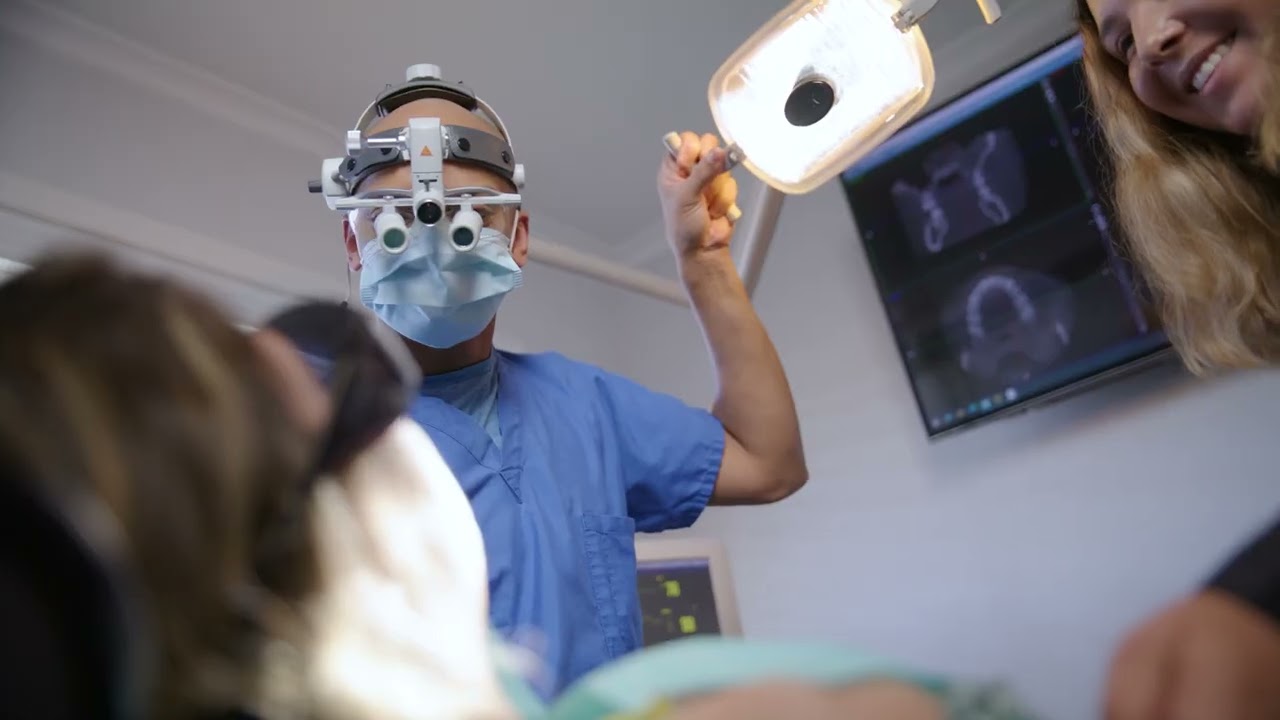
3 Things You Need to Know Before Considering Dental Surgery with Sedation
Contemplating dental surgery can provoke anxiety in even the most composed individuals. However, modern sedation dentistry offers various options to ensure your comfort during procedures. Before scheduling your dental surgery with sedation, here are three crucial aspects you should understand.
Introduction to Dental Surgery with Sedation
What is dental sedation? Dental sedation encompasses various techniques used to help patients remain calm and comfortable during dental procedures. It ranges from mild relaxation to complete unconsciousness, depending on the specific needs of the patient and the complexity of the procedure.
Common types of dental procedures requiring sedation Sedation is frequently utilized for complex procedures such as:
- Wisdom teeth extraction
- Dental implant placement
- Multiple tooth extractions
- Root canal therapy
- Extensive restorative work
Growing popularity of sedation dentistry
The field of sedation dentistry continues to expand as more patients seek comfortable solutions for their dental anxiety. According to dental statistics, approximately 30-40% of the population experiences some degree of dental anxiety, making sedation an increasingly valuable option.
Types of Sedation Available
Nitrous oxide (laughing gas)
Nitrous oxide represents the mildest form of sedation. This odorless gas induces a state of relaxation while allowing patients to remain fully conscious. The effects wear off quickly, enabling patients to drive themselves home after the procedure.
Oral sedation
Administered in pill form, oral sedation produces moderate sedative effects. Patients typically remain conscious but may feel drowsy and experience limited memory of the procedure. This option requires arranging transportation home afterward.
IV sedation
Intravenous sedation delivers sedative medications directly into the bloodstream, providing deeper sedation with precise control. This method is particularly suitable for lengthy procedures or patients with severe anxiety.
General anesthesia
Reserved for complex surgeries or special circumstances, general anesthesia renders patients completely unconscious. This option requires specialized monitoring and is typically performed in a hospital setting.
Comparison of Sedation Methods
Each sedation method offers distinct advantages:
- Nitrous oxide: Quick recovery, minimal side effects
- Oral sedation: Easy administration, moderate effectiveness
- IV sedation: Rapid onset, adjustable levels
- General anesthesia: Complete unconsciousness, maximum comfort

Safety Considerations and Requirements
Pre-surgery health evaluation
Before administering any form of sedation, your dental professional will conduct a thorough health assessment. This evaluation ensures you're a suitable candidate for sedation and helps determine the most appropriate method.
Medical history review
A comprehensive review of your medical history helps identify potential risk factors or contraindications for sedation. This includes examining:
- Previous surgical experiences
- Allergies
- Chronic conditions
- Family history of complications
Current medications assessment
Your dentist needs to know about all medications you're taking, including:
- Prescription drugs
- Over-the-counter medications
- Supplements
- Herbal remedies
Post-operative care
Following sedation, specific aftercare instructions must be followed:
- Restricted activities
- Dietary modifications
- Medication schedules
- Recovery monitoring
Recovery timeline
Recovery periods vary based on sedation type:
- Nitrous oxide: 5-10 minutes
- Oral sedation: 24 hours
- IV sedation: 24-48 hours
- General anesthesia: Several days
Understanding these three crucial aspects of dental sedation surgery helps ensure a safe and comfortable experience. Discuss your options thoroughly with your dental professional to determine the most appropriate sedation method for your specific situation. Remember that modern sedation dentistry prioritizes both patient comfort and safety, making it possible to receive necessary dental care without undue stress or anxiety.
By carefully considering these factors and working closely with your dental team, you can approach your dental surgery with confidence, knowing you've made an informed decision about your sedation options.
Frequently Asked Questions About Dental Surgery with Sedation
Q: How long should I fast before dental sedation?
A: For IV sedation and general anesthesia, patients should typically fast for 6-8 hours before the procedure. For nitrous oxide, fasting isn't usually required, but eating a light meal 2 hours before is recommended. Always follow your dentist's specific pre-operative instructions, as requirements may vary based on your medical history and the type of sedation used.
Q: Will I need someone to drive me home after sedation dentistry?
A: Yes, you will need a responsible adult to drive you home after receiving oral sedation, IV sedation, or general anesthesia. The only exception is nitrous oxide sedation, after which you can safely drive yourself home once the effects wear off (typically within 15 minutes). Your designated driver should stay with you for several hours after the procedure to ensure your safety during initial recovery.
Q: What are the costs associated with dental sedation, and does insurance cover it?
A: Dental sedation costs vary significantly based on the type and duration. Nitrous oxide typically costs $100-300 per hour, oral sedation ranges from $200-600, and IV sedation can cost $500-2000 per hour. Insurance coverage varies by provider and circumstance. While most dental insurance plans cover sedation for medically necessary procedures, they may not cover it for elective procedures or anxiety management. Check with your insurance provider and dental office for specific coverage details.
The Teeth Doctors™ – Worry-Free from A to Z™ Dental Experience
Providing five-star-rated dental care for families in Fayetteville, The Teeth Doctors™ focus on comfort, communication, and exceptional oral health.
- Family & Preventive Dental Care
- Implant & Teeth Replacement Dental Care
- Cosmetic Dental Care
- Sedation Dentistry
- Smile Transformation Gallery
Read Our Reviews | Meet Our Dentists