
Are Dental Implants Covered by Insurance?
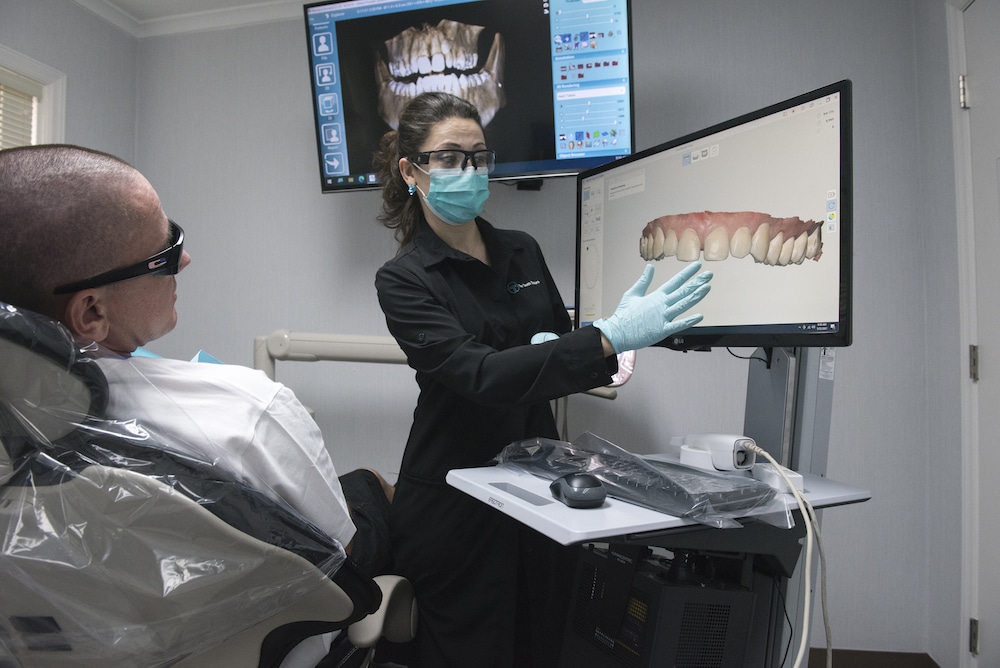
Dental implants have revolutionized dentistry by providing a long-term solution for missing teeth that mimic natural teeth. However, there is often uncertainty regarding insurance coverage for this procedure.
While some insurance plans do cover aspects of implants, it is important to have a clear understanding of the treatment required and how much your insurance plan will contribute.
This article aims to illuminate the complexities of insurance coverage by exploring the factors that influence insurance decisions and providing insights for individuals considering this transformative treatment.
An Overview of Dental Implants
Dental implants act as tooth roots typically made from biocompatible titanium and surgically placed into the jawbone to support replacement teeth. This innovative technology can be traced back to the 1960s when orthopedic surgeon Per Ingvar Brånemark discovered osseointegration—a process in which bone bonds with titanium.
Types of Dental Implants
Endosteal implants are directly inserted into the jawbone. Are the common type. Subperiosteal implants rest on top of the bone beneath the gum line, offering an option for individuals with bone density. In cases of bone loss zygomatic implants anchored in the cheekbone may be recommended.
The Process of Getting Dental Implants
Embarking on the journey to restore your smile begins with a consultation, where your oral surgeon will assess whether you are a candidate for dental implants. Prior procedures like bone grafting or sinus lifts may be necessary to create a foundation. The next step involves the insertion of the implant, followed by a healing period known as osseointegration, which typically lasts for months. Once the implant has bonded with the bone, an abutment is attached to act as a connecting piece for the crown.
Benefits of Dental Implants
The advantages of implants in terms of aesthetics are pretty impressive. They provide a natural-looking solution that blends seamlessly with your existing teeth. Implants help restore chewing function and can aid in preventing bone loss that often occurs with missing teeth. Moreover, they contribute to long-term health by maintaining proper tooth alignment and preserving facial structure.
Insurance Coverage for Dental Implants
Navigating insurance coverage for implants can be complex and varied. The extent of coverage is often influenced by factors such as the insurance policy, the purpose of the procedure, and the patient's overall health condition. It is important to remember that many insurance providers still categorize implants as procedures, which can impact coverage decisions.
Does Dental Insurance Typically Cover the Cost of Dental Implants?
Navigating dental insurance can often feel overwhelming, especially when you're considering major procedures like dental implants. While each dental insurance plan is unique, there are general trends around coverage worth noting.
Coverage Variability
- Common Exclusions: Most dental insurance plans tend to exclude dental implants from their coverage. Implants are often considered elective or cosmetic, which makes them less likely to be covered.
- Plan Differences: The specifics of what your insurance covers heavily depend on the plan chosen by your employer. These plans are often pre-designed packages where coverage limits and inclusions are predetermined.
- Alternative Options: While standard dental insurance may not cover implants, some enhanced plans could offer partial coverage. It's worth checking if your insurer provides optional add-ons or tiers that include implant coverage.
Consider Other Financial Paths
- Employer Contributions: Since your employer selects the plan, involvement in benefit discussions can be valuable. Advocating for plans with more extensive coverage options might be beneficial.
- Financing and Discounts: In situations where insurance falls short, many dental offices offer financing plans that allow you to pay for implants over time. Additionally, some providers might offer discounts for components not covered by insurance.
Understanding the specifics of your dental insurance and exploring alternative financial solutions can help you make informed decisions about covering the cost of dental implants.
Different Types of Insurance Plans and Coverage for Dental Implants
When it comes to implants, insurance plans can help cover some of the expenses. Typically, they may pay a portion of the costs up to a percentage or an annual maximum limit. Medical insurance may provide coverage, especially if tooth loss is due to an accident or medical condition. However, Medicare and Medicaid usually do not cover implants unless necessary. Employer-provided insurance plans vary in coverage levels, with some companies recognizing the long-term benefits of implants and offering coverage.

Reasons for Insurance Denials
Insurance companies often deny coverage claims by classifying them as procedures. Additionally, preexisting conditions like diseases leading to tooth loss can also lead to coverage denial. Many plans have waiting periods before covering treatments such as implants, leaving patients uncertain about their coverage.
Guiding You Through Insurance Processes
Requesting a cost estimate from your insurance provider before undergoing treatment is crucial to understand the expenses you may need to manage. Supporting documents like X-rays and a comprehensive treatment plan can strengthen your case for insurance approval. If your claim is initially denied, don't lose hope – many insurance companies have an appeal system that could result in an outcome.
Factors to Keep in Mind Regarding Implant Expenses
If you don't have insurance coverage, the cost of an implant typically ranges between $3,000 and $6,000. Various factors, such as the treatments required, the placement location of the implant, and the expertise of the dentist, can significantly impact the cost. Despite the investment needed, dental implants often prove to be a cost-effective choice in the long run compared to alternatives like bridges or dentures.
Tips for Maximizing Insurance Benefits
Planning your procedure strategically can help maximize your insurance benefits. Some individuals spread their treatment over two years to utilize maximums efficiently. Moreover, combining dental and medical insurance benefits can expand your coverage. Don't hesitate to negotiate with your provider, as many are open to offering payment discounts or have partnerships with financing companies.
The insurance landscape is changing. Updates in the industry suggest a shift towards including coverage for implants. As people become more aware of the long-term benefits of implants, some insurance companies are reviewing their coverage options. Potential law changes influenced by advocacy groups and dental associations might also increase coverage standards.
How to Pay for the Balance of Your Dental Implants: Financing Options
For those with insurance coverage, there are solutions available. Dental savings plans offer discounted rates on procedures through a network of participating dentists. Flexible spending accounts (FSAs) and health savings accounts (HSAs) allow patients to allocate tax funds for expenses, including implants. Third-party financing options, like Proceed, provide ways to spread out the cost of implants over time. Dentists specializing in implants often work together with these organizations.
What Are Some Alternative Procedures to Dental Implants That Might be Covered by Dental Insurance?
When dental implants are not an option or aren't covered by your insurance, there are several alternative procedures to consider that might be more budget-friendly.
Tooth-Supported Fixed Bridge
One popular option is the tooth-supported fixed bridge. This involves reshaping the adjacent healthy teeth to create a support base for a bridge that fills the gap left by the missing tooth. This method is effective, though it requires altering the neighboring teeth.
Resin-Bonded Bridge (Maryland Bridge)
A less invasive alternative is the resin-bonded bridge, commonly known as the MaryLand Bridge. Rather than reshaping healthy teeth, this bridge attaches to the back of the adjacent teeth with metal or porcelain wings, offering support without significant alteration.
Removable Partial Dentures
Another cost-effective choice is removable partial dentures. This solution involves creating a custom-fitting set of false teeth that can be easily taken out, providing a flexible and relatively simple way to address missing teeth.
Benefits of Exploring Alternatives
Exploring these alternatives can be beneficial, especially if dental implants are cost-prohibitive or not covered by your insurance plan. Check with your dental insurance provider to see which of these procedures may be included in your coverage.
We will assist you with information and support in navigating the application process.
Dental financing typically involves an application process, which can vary in complexity depending on the chosen option. Medical credit cards and personal loans require a formal application, complete with credit checks.
With most financing options, credit checks and approval processes are standard. Lenders assess the applicant's creditworthiness to determine eligibility and set terms. This vetting process can be a double-edged sword—while it ensures responsible lending, it may preclude access for those with less-than-stellar credit histories.
Interest rates and repayment terms form the crux of any financing agreement. These can vary widely, from 0% introductory rates to higher. Repayment periods can span from a few months to several years, depending on the amount financed and the chosen option.
Dental financing provides immediate access to care, which can be a game-changer for those facing urgent dental issues or desiring elective procedures. Proceeding with dental implant treatment without delay can prevent further deterioration of oral health and associated complications.
Flexible payment options represent another significant advantage. Patients can manage their cash flow more effectively by spreading the cost over time. This can make high-cost procedures more palatable, allowing individuals to prioritize their oral health without compromising financial stability.
The potential for improved oral health cannot be overstated. Dental financing removes financial barriers, enabling patients to pursue recommended treatments promptly. This proactive approach can lead to better long-term outcomes, potentially reducing the need for more extensive and costly interventions.
However, dental financing is not without its potential drawbacks. Interest charges can significantly increase the overall cost of treatment. Patients must carefully consider whether the long-term financial implications outweigh the benefits of immediate care.
The Teeth Doctors™ – Worry-Free from A to Z™ Dental Experience
Providing five-star-rated dental care for families in Fayetteville, The Teeth Doctors™ focus on comfort, communication, and exceptional oral health.
- Family & Preventive Dental Care
- Implant & Teeth Replacement Dental Care
- Cosmetic Dental Care
- Sedation Dentistry
- Smile Transformation Gallery
Read Our Reviews | Meet Our Dentists
or Call (910) 864-4646