
Are Dental Implants Painful?

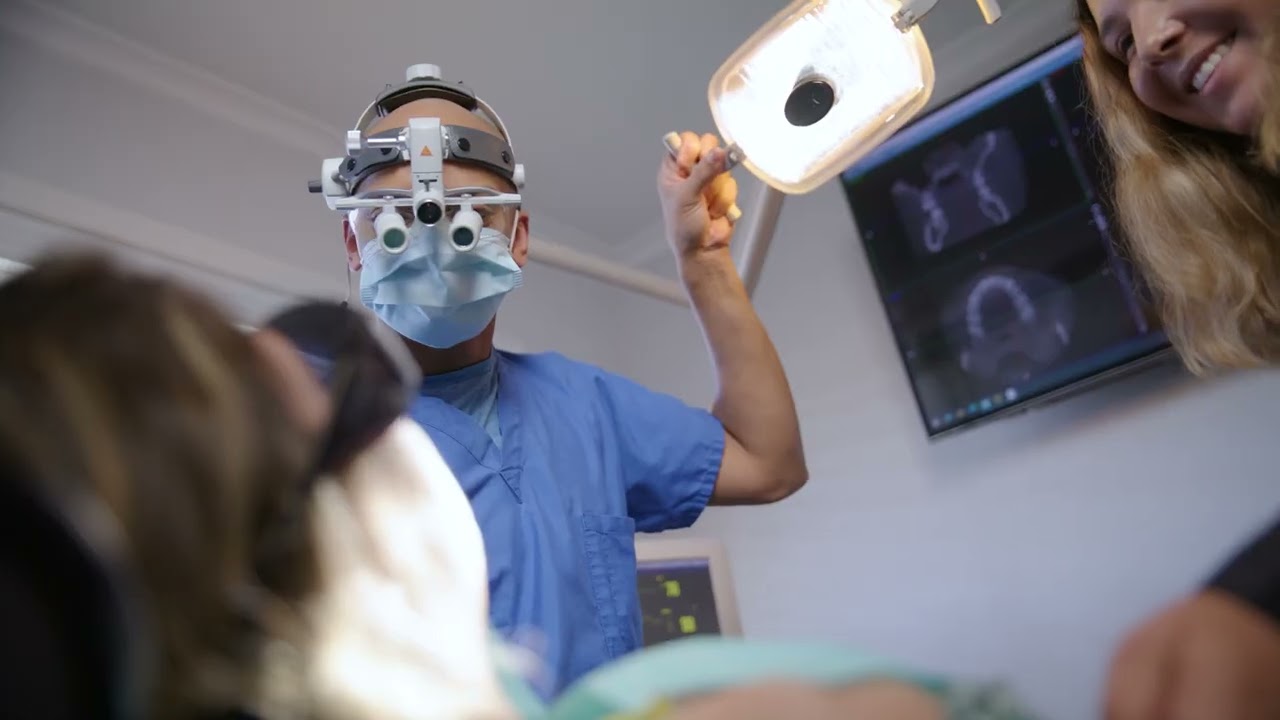
If you’re considering dental implants but feel anxious about the procedure, you’re not alone — and you’re in the right hands. At The Teeth Doctors™, we prioritize your comfort every step of the way. Using advanced techniques, local anesthesia, and gentle dental sedation, we ensure that your implant experience is as smooth, pain-free, and stress-free as possible.
Whether you’re getting a single implant or a full-mouth restoration, our compassionate team will guide you through the process with care and confidence, so you can focus on the outcome: a healthy, lasting smile.
What Are Dental Implants?
Dental implants are the gold standard for replacing missing teeth, offering a permanent, natural-looking solution. The procedure involves placing a small titanium post into the jawbone, which acts as an artificial tooth root. This post fuses with your bone in a process called osseointegration, creating a secure foundation for a custom-crafted crown, bridge, or denture.
The result? A beautiful, functional smile that looks, feels, and performs like your natural teeth, without the slipping, discomfort, or maintenance associated with traditional dentures.
Who's a Good Candidate for Dental Implants?
Only some people can handle a dental implant, though most people can qualify for the procedure. You're a good candidate for the operation if you meet the following criteria:
- You have good overall and dental health.
- You have a fully developed jawbone. This typically happens by the age of 18.
- The size of your jawbone can support the procedure, or you can handle a bone graft.
- You don't have periodontal disease.
- You don't have any health conditions that inhibit your bones' healing ability.
- You don't smoke or smoke very rarely.
- You don't have any indications of heart disease.
The Dental Implant Process
What happens before, during, and after the dental implant procedure?
Preparation
You'll start the process with a detailed examination to determine whether you are a good fit for the operation. The doctor may put you on a course of antibiotics if you have a higher risk of rejecting the implants.
You should fast for 12 hours before the procedure and wear loose, comfortable clothing for the appointment. If your jawbone is not the right size, the doctor may use a bone graft to improve its condition.
During the Procedure
Without medicine, you'll feel significant pain during the dental implant procedure. The doctor will apply local anesthesia to eliminate the pain, much like when you receive a filling. Once the anesthesia takes effect, your dentist will complete the following steps:
- Incision: The dentist cuts the gum to expose the bone. If you need multiple implants, they'll do this for each location where you need a new tooth.
- Drilling: Using a drill, the dentist creates a hole that pierces the bone and provides a secure place for the implant to adhere.
- Implantation: The dentist inserts the titanium base of the implant deep into the bone, which acts as the root of the new tooth. At this point, the dentist does not attach the porcelain part of the tooth, just the titanium root.
- Growth period: Over the next few months, you'll wait as the bone grows around the implant and holds it in place.
- Replacement teeth: With the root secure, your dentist will attach the porcelain replacement tooth, covering the gap and creating a natural look for your smile.
Recovery
After the initial surgery, your primary goal becomes post-surgery pain management. During the first 48 hours of your recovery time, you'll experience some minor pain, swelling, and bleeding. Avoid strenuous activity, take OTC pain medications, apply ice, and avoid smoking and alcohol.
You must maintain strict dental hygiene for the first two weeks to avoid infection. You can reintroduce more solid foods into your diet, and you should rinse your mouth after each meal. You can slowly wean yourself off your pain management.
Your bone will grow between three and six months after the initial surgery, and you should continue your oral health habits. Avoid chewing hard foods that could damage the bone. Your dentist may suggest you wear a mouth guard, and you'll likely have a few follow-up appointments to monitor your condition.
Once your dentist completes the final phase of the process, you can use your new teeth naturally.
Making Implants Less Scary and Painful
So you are probably still wondering, Are dental implants painful? Local anesthetic prevents you from feeling pain during the procedure, but if you still have a high level of anxiety, consider asking The Teeth Doctors™ for one of the following sedation methods:
- Nitrous oxide: Also known as laughing gas, you use a mask to inhale this form of anti-anxiety medication. It can significantly reduce your anxiety and even produce a euphoric feeling.
- Oral sedation: If you opt for this method, you'll take a pill of diazepam, commonly referred to as Valium.
- IV sedation: This method inserts the sedative directly into your veins for a higher level of relaxation.
Schedule Dental Implants With The Teeth Doctors™
When you need dental implants, contact The Teeth Doctors™. We offer sedation dentistry in addition to local anesthesia so you can relax throughout the entire procedure. Our expert dental professionals will put you at ease and create the smile you've always wanted.
Why Choose The Teeth Doctors™?
We are your best option in North Carolina if you are looking for dental implants. Dr. Jeremiah C. Davis, DDS, MBA, is one of the country's most credentialed and decorated implant dentists. Using the latest technology, we can place and restore dental implants in our office without referring you to another dentist! We also offer dental sedation so you can sleep peacefully during the dental implant procedure.
Dr. Davis is a:
- Master of the International Congress of Oral Implantologists (MICIO)
- Fellow of the American Academy of Implant Dentistry (FAAID)
- Diplomate American Board of Oral Implantology (DABOI/ID)
Schedule your implant consultation today and experience the difference at The Teeth Doctors™.
We provide comprehensive dental implant care that is Worry Free from A to Z™.
or Call (910) 864-4646