
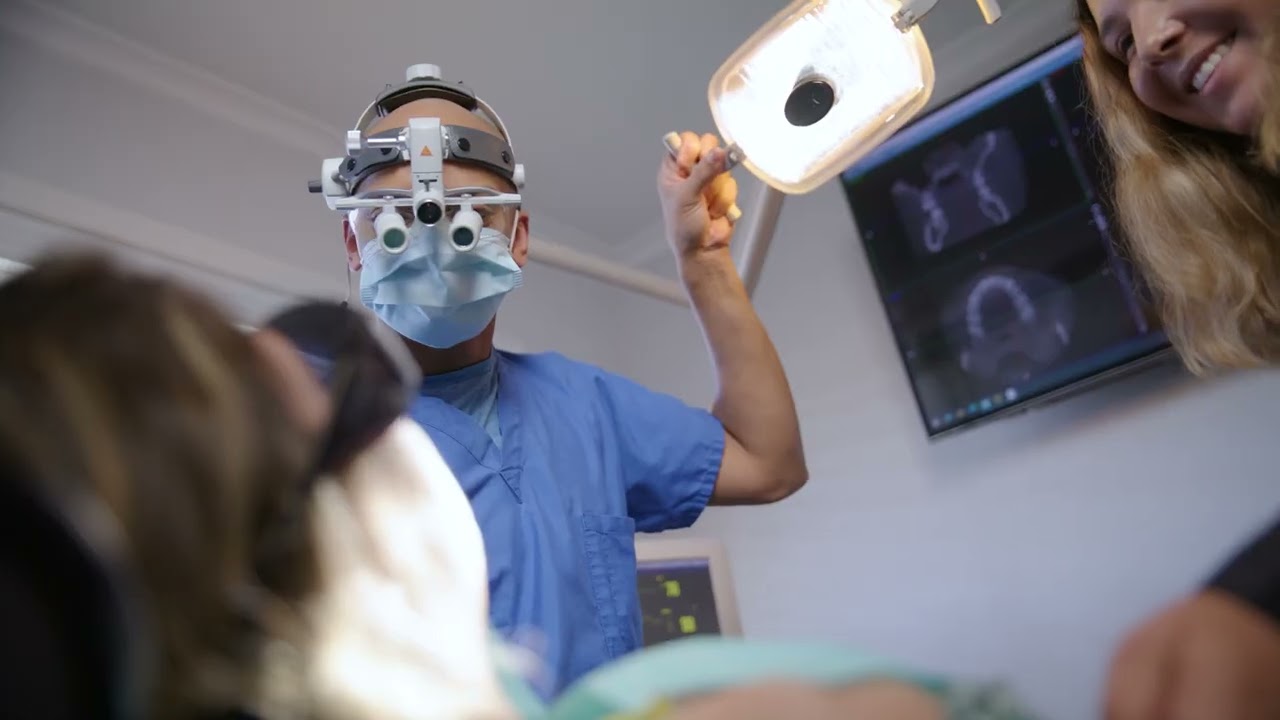
Dental Sedation: Nitrous Oxide vs Oral Sedation
Dental Sedation Introduction
Dental sedation has changed how patients feel about going to the dental office, releasing tension and discomfort. This sophisticated form of patient care includes different techniques to relax the patient so that the dentist can perform needed treatments effectively and with ease. Sedation is now a crucial tool of dentistry for individuals who would otherwise avoid critical oral health care due to fear or anxiety.
Nitrous Oxide: A Laughing Gas
Nitrous oxide, commonly known as laughing gas, is the most well-known form of dental sedation. This colorless, sweet-smelling gas is a mix of nitrogen and oxygen that causes a feeling of total relaxation when inhaled. Nitrous oxide is assimilated rapidly into the bloodstream via the lungs and calms the central nervous system. Administration is fairly straightforward: Individuals inhale the gas with a small mask over their nose to control the sedation level during the procedure.
Understanding Oral Sedation
Oral sedation is another technique used to help reduce anxiety during dental visits. This method involves the ingestion of prescribed sedative medicines before the dental appointment. Oral sedatives employed in dentistry typically include benzodiazepine classes diazepam and triazolam. They're generally taken as pills an hour before the procedure to ensure maximum absorption and action.
Comparing the Effects
The levels of consciousness attained with the two sedation options are quite different. Nitrous oxide causes conscious sedation, where patients remain awake and responsive but disconnected from discomfort. Depending on dosage, oral sedation can be moderate or minimal and may make patients sleepy during surgery. The effects also differ in how quickly they begin to work and how long they last. Nitrous oxide is almost instantly effective upon inhalation and vanishes rapidly once the gas is turned off. Oral sedatives are more gradual and may last for hours post-procedure.
Treatment of Dental Anxiety Efficacy
For mild to moderately anxious patients, nitrous oxide may be enough to induce a state of calm. Its fast onset and fast recovery make it a good choice for those who just need help relaxing during a visit to the dentist. For more severe anxiety or lengthy, complicated procedures, oral sedation may be used.
Suitability for Many Dental Procedures
Nitrous oxide can be safely used for routine dental treatments such as fillings and cleanings. Its ability to be increased or decreased based on need and how rapidly it leaves the bloodstream makes it conducive to shorter appointments. Oral sedation is usually preferred for long or complex procedures like root canals or several tooth extractions because it is more profound and lasts longer.
Patient Experience
Nitrous oxide sedation usually causes warmth and tingling and may even cause euphoria. Some patients also report feeling like they are floating or lightheaded. Oral sedation, in contrast, induces deep relaxation and may make the person foggy or sleepy. Patients with oral sedation may remember little or nothing of the dental procedure afterward.

Cost Comparison
For many patients, the financial aspect of sedation dentistry matters. Nitrous oxide is generally less expensive. The cost of oral sedation is higher and varies widely with the medication and length of the procedure. If applicable, patients must also pay additional fees for monitoring and recovery time during oral sedation.
Preparation Requirements
Preparation for nitrogen oxide sedation is minimal and usually involves avoiding heavy meals the day of the appointment. Oral sedation requires a more thorough preparation. Patients must follow pre-treatment instructions, such as fasting for a brief period of time and arranging transportation from the dentist's offices, because the medication may still be active.
Post-Treatment Considerations
Nitrous oxide side effects do not last; most patients resume their normal activities within hours of their appointments. Recovery from oral sedation is more complicated and may require several hours of monitoring/rest. Residual slurred speech may persist in some patients, and operating machinery or driving is discouraged for at least 24 hours post-procedure
Contraindications and Limitations
Both sedation methods are generally safe but sometimes contraindicated. Nitrous oxide is not recommended for some respiratory conditions or during early pregnancy. For example, oral sedation should not be used in patients with liver disease or sleep apnea or even for individuals taking specific drugs that might interact negatively with the sedative.
Customizing Sedation Plans
One of nitrous dioxide's and oral sedation's biggest benefits is their flexibility. Both sedation types can be adapted to the patient's needs. For example, the dosage of nitrous oxide could be altered during the procedure to maintain the desired sedation. Similarly, the dosage and medical background of an oral sedative can be tailored to the individual patient's medical history/anxiety level.
Long-Term Considerations
The consequences of sedation selection must be considered for patients who require frequent dental visits. Repeated nitrous oxide use is tolerated and has no additive effects. However, the frequency of the oral sedation treatment might need to be controlled to avoid habituation or drug interference over time.
In conclusion, nitrous oxide and oral sedation reduce dental anxiety and increase patient comfort during dental procedures. Understanding the differences between methods allows patients to choose, together with their dentist, the best way to improve oral health and foster positive attitudes about dental care.
FAQS
Q1: What are the key points to remember about nitrous oxide sedation for children's dental procedure?
When it comes to managing pain and anxiety in children undergoing dental work, nitrous oxide, also known as "laughing gas," plays a pivotal role. Here are the essential considerations for parents:
- Pain and Anxiety Relief: Nitrous oxide is effective in minimizing discomfort and calming nerves, making the dental experience smoother for your child.
- Parental Consent Required: Before sedation is administered, you must provide authorization. This ensures you are fully informed and onboard with the process.
- Quick Recovery: One of the benefits of using nitrous oxide is that children generally rebound rapidly post-procedure, allowing them to get back to their daily routines with minimal disruption.
Understanding these points can help ensure a positive dental visit for your child. Always feel free to discuss any concerns or questions with your dentist before proceeding.
Q2: How does the staff monitor a child during nitrous oxide sedation?
During nitrous oxide sedation, the staff will keep a close watch on your child to ensure their safety and comfort. They'll continuously observe your child’s sedation level to make sure they are still alert enough to cooperate and respond to verbal directions.
The team will use various monitoring techniques, including checking vital signs such as heart rate and oxygen levels. They will also pay attention to your child’s breathing patterns and physical responses. By maintaining open communication and regularly assessing your child's condition, staff can ensure that the sedation process is both effective and safe.
Q3: What must parents or carers do before their child undergoes sedation with nitrous oxide?
Before a child undergoes sedation with nitrous oxide, parents or carers need to complete a few important steps:
- Provide Consent: It's essential for the parent or carer to officially agree to both the use of sedation and the dental procedure itself. This consent is crucial to move forward with the treatment.
- Understand the Process: Parents or carers should familiarize themselves with why sedation is necessary for their child. This involves discussing with the dental professional to grasp the reasons underlying the decision for sedation.
- Acknowledge the Risks: It's vital to be informed about the potential risks associated with nitrous oxide sedation. A healthcare provider can explain these risks so that parents or carers can make an informed decision.
By following these steps, parents and carers ensure they are fully prepared and informed before their child receives sedation with nitrous oxide.
Q4: What are the alternatives to nitrous oxide for children's dental procedures?
When it comes to managing anxiety in children during dental visits, parents and practitioners have several options beyond nitrous oxide. Here's a closer look at alternative methods that can ensure a calm and successful dental experience:
1. Familiarization Visits
Introducing your child to the dental environment before any procedure can significantly ease their nerves. These visits allow children to explore the dental office, meet the staff, and learn about the dental tools in a non-threatening way. This proactive approach helps build a sense of comfort and trust.
2. Distraction Techniques
Engaging children’s attention elsewhere can effectively reduce anxiety. Dentists often use technology, such as tablets with apps or movies, to keep children entertained. Other distraction methods include storytelling, music, or even guided imagery to help focus their minds away from the procedure.
3. Play Therapy
Integrating play into dental appointments can be another powerful tool. Role-playing scenarios with dolls or using dental-themed toys can make the concept of a dental check-up familiar and less intimidating for young patients. This method allows children to express their feelings and gain control over their fears in a playful context.
4. General Anesthesia
For cases where sedation is insufficient or the child has special healthcare needs, general anesthesia might be necessary. Performed under the supervision of an anesthesiologist, it ensures the child is completely asleep, making it ideal for complex procedures or extremely high anxiety levels.
Each child is unique, so it's essential to tailor the approach to their individual needs and comfort levels. Consulting with a pediatric dentist can help determine the best strategy for your child's specific situation.
Q5: What should parents do if their child feels sick or vomits after the dental procedure?
When children experience nausea or vomiting post-procedure, it’s crucial for parents to focus on maintaining hydration. Start by offering small sips of water to see if it’s well-tolerated.
If water is refused or doesn’t stay down, try alternative clear liquids:
- Diluted Fruit Juice: A mild juice mixed with water can be more appealing and gentle on the stomach.
- Icy Treats: Providing options like ice pops can be soothing and help with hydration.
- Clear Soup: A light broth can offer both hydration and mild nutrients.
If your child continues to feel unwell, contact your healthcare provider for further guidance.
Why Choose The Teeth Doctors™?
We are your best option in North Carolina if you are looking for sedation dentistry. Dr. Jeremiah C. Davis, DDS, MBA, is one of the country's most credentialed and decorated sedation dentists. Using the latest technology, we can reduce your anxiety at the dentist! Dental sedation so you can sleep peacefully during your procedure.
Dr. Davis is a:
- Master of the International Congress of Oral Implantologists (MICIO)
- Fellow of the American Academy of Implant Dentistry (FAAID)
- Diplomate American Board of Oral Implantology (DABOI/ID)
Schedule your implant consultation today and experience the difference at The Teeth Doctors™.
We provide comprehensive dental implant care that is Worry Free from A to Z™.
or Call (910) 864-4646