
All-on-Four Dental Implants in Fayetteville, NC
Understanding All-on-Four Dental Implants
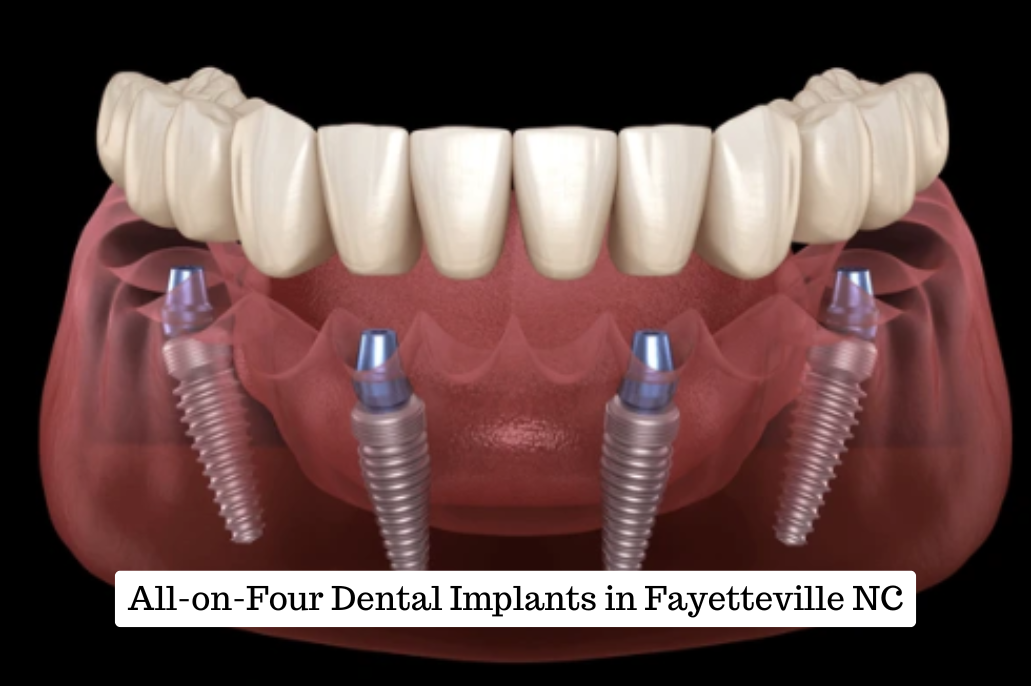
All-on-Four dental implants bring a modern approach to restoring full-arch teeth. This innovative technique uses just four carefully positioned titanium implants to support a complete arch of prosthetic teeth. Unlike traditional implants that require six or more per arch, All-on-Four makes the most of the available bone structure and is less invasive overall.
The Science Behind the Technique
The magic behind All-on-Four lies in the way the implants are placed. The two implants at the back are angled at about 45 degrees, while the two at the front go in vertically. This setup creates better contact with the existing bone, often eliminating the need for bone grafts. The angled back implants can also be longer than standard ones, giving them extra stability due to more bone contact.
Advantages Over Traditional Dental Solutions
Immediate Functionality
One of the most appealing benefits is that All-on-Four implants allow patients to leave the clinic with a functional set of teeth right after the surgery. With this immediate loading, there’s no long wait for healing, so you can get back to daily life faster.
Cost-Effectiveness
Despite using advanced technology, All-on-Four is usually more budget-friendly than traditional full-mouth implants. By using fewer implants, skipping bone grafts for many patients, and speeding up the overall treatment, it helps lower the total costs.
Bone Preservation
The angled implants help stimulate bone naturally through a process called osseointegration, which supports the facial structure and prevents the “sunken” look that often comes with dentures.
Candidate Assessment and Prerequisites
Medical Evaluation
Candidates go through a full medical check to ensure a successful outcome. This includes:
- Assessing bone density
- Evaluating gum health
- Reviewing overall medical history
- Checking smoking status
Anatomical Considerations
Patients with adequate bone volume in the front of the upper or lower jaw are ideal, though the unique angle placement often allows people to qualify who might not have been eligible for traditional implants.
The Surgical Procedure
Preoperative Planning
To ensure the implants go exactly where they’re needed, advanced 3D imaging and computer-guided planning come into play. This phase includes:
- CBCT scanning for detailed imaging
- Virtual placement of the implants
- Creating a custom surgical guide
- Planning for the prosthetic teeth
Surgical Protocol
The procedure generally uses local anesthesia, with sedation as an option. Key steps include:
- Removing damaged teeth
- Smoothing out the ridge
- Placing the implants
- Attaching a temporary set of teeth
Recovery and Adaptation
Initial Healing Phase
During the first few weeks after surgery, you’ll want to take it easy with oral hygiene and stick to soft foods. Patients can expect:
- Minor discomfort that’s manageable with over-the-counter pain relief
- A softer diet
- Gradual adjustment to the temporary teeth
Long-term Care
Maintaining All-on-Four implants is a commitment, but it pays off with a healthy smile. This includes:
- Daily cleaning with special tools
- Professional cleanings every three months
- Annual check-ups
Prosthetic Considerations
Provisional Restoration
The temporary prosthesis serves a few important purposes:
- Restoring appearance and function right away
- Helping gums heal and adapt
- Testing bite and alignment
Final Prosthesis
After full healing, the final set of teeth is custom-made, often from durable materials like zirconia, ensuring they’re functional, aesthetically pleasing, and long-lasting.

Potential Complications and Management
Early Complications
Most patients experience minimal post-surgery issues, but possible minor adjustments include:
- Getting used to slight speech changes
- Managing swelling and mild discomfort
- Tweaking the temporary teeth if needed
Long-term Considerations
Regular maintenance focuses on keeping everything stable and in good shape, which involves:
- Checking implant stability
- Inspecting the prosthesis for wear
- Ensuring the bite is even
- Keeping gums and surrounding tissue healthy
Success Rates and Long-term Outcomes
Studies show that All-on-Four has an impressive success rate of over 95% after 10 years. Long-term success is enhanced by:
- Careful candidate selection
- Skilled surgery
- Regular follow-ups
- Consistent home care
Financial Considerations and Insurance
Treatment Investment
While the upfront cost may seem high, All-on-Four often saves money in the long run compared to multiple separate implants. Benefits include:
- Lower overall treatment costs than traditional implants
- Reduced long-term upkeep expenses
- Various financing options
- Potential insurance coverage for parts of the treatment
A Life-Changing, Affordable Teeth Replacement Option in Fayetteville, NC
All-on-Four implants have transformed full-arch rehabilitation, giving patients a fully functional, durable set of teeth right from the first day. This approach has revolutionized tooth replacement, bringing new confidence and convenience to many.
All on Four Dental Implants FAQs
How Much Are All-on-Four Dental Implants?
In the U.S., All-on-Four implants generally cost between $20,000 and $40,000 per arch. This covers everything from extraction of existing teeth to the placement of implants and the creation of temporary and final prosthetics. Final pricing depends on:
- Location: Urban and coastal areas typically have higher fees.
- Material: Premium options like zirconia are more costly than acrylic.
- Extra procedures, such as bone ridge reduction or tissue grafting.
Many practices offer payment plans, healthcare financing, or credit options. Some dental insurance may also cover part of the procedure, such as extractions or implants.
How Long Do All-on-Four Dental Implants Last?
When well-cared for, All-on-Four implants can last a lifetime, with success rates over 95% at the 10-year mark. The implants fuse permanently with the jawbone through osseointegration. However, the prosthetic teeth may need replacement after 10-15 years due to natural wear.
Factors that influence longevity include good oral hygiene, regular check-ups, and avoiding habits like smoking or grinding teeth. Zirconia prostheses are more durable compared to acrylic, and following maintenance guidelines helps prolong their life.
How to Clean All-on-Four Dental Implants?
Keeping All-on-Four implants clean requires daily care and specialized tools. Use a soft-bristled or electric toothbrush with implant-specific heads, water flossers with special tips, and interdental brushes for hard-to-reach spots.
Your cleaning routine should focus on both visible surfaces and the area beneath the prosthesis. Morning and night, take about 5-10 minutes to clean thoroughly, especially around the gum line where bacteria can accumulate.
Professional cleaning every three months is also important to remove buildup and check implant stability.
The Teeth Doctors™ – Worry-Free from A to Z™ Dental Experience
Providing five-star-rated dental care for families in Fayetteville, The Teeth Doctors™ focus on comfort, communication, and exceptional oral health.
- Family & Preventive Dental Care
- Implant & Teeth Replacement Dental Care
- Cosmetic Dental Care
- Sedation Dentistry
- Smile Transformation Gallery
Read Our Reviews | Meet Our Dentists