
Signs You Are a Good Candidate for Dental Implants
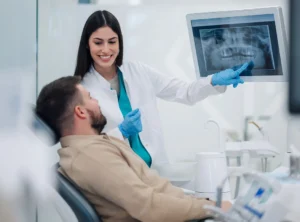
Losing a tooth — or several — affects more than just your smile. It changes how you chew, how you speak, and even how you feel about yourself in everyday moments. Dental implants have become one of the most trusted long-term solutions for missing teeth, but they are not automatically the right fit for every patient. If you have been asking yourself whether implants could work for you, understanding the signs you are a good candidate for dental implants is the best place to start.
At The Teeth Doctors’ implant dentistry practice in Fayetteville, NC, the evaluation process is thorough and patient-centered. The goal is never to push a procedure — it is to match you with the solution that will genuinely serve your oral health for years to come. Here is what dentists typically look for when assessing implant candidacy.
You Have One or More Missing Teeth
The most obvious starting point is tooth loss itself. Whether you are missing a single tooth, several teeth, or all of your teeth, implants can often address the gap. A single implant replaces one tooth root-to-crown. Multiple implants can support bridges or full-arch solutions like All-on-Four. If you are comparing your options, our post Dental Implants vs Dentures: Which Is the Better Choice? walks through how these two paths differ in comfort, function, and long-term value.
Your Jawbone Has Enough Density to Support an Implant
Implants are titanium posts that fuse directly with your jawbone through a process called osseointegration. For that fusion to succeed, you need adequate bone volume and density at the implant site. Patients who have had missing teeth for a long time sometimes experience bone loss in that area, which can complicate placement. A cone-beam CT scan or dental X-rays taken during your consultation will give your dentist a clear picture of what is there. In some cases, a bone graft can build up the site before implant surgery — so even patients with some bone loss may still be candidates after preparatory treatment.
Your Gums Are Healthy
Healthy gum tissue is essential for implant success. Active gum disease — also called periodontal disease — creates an environment where bacteria can interfere with healing and threaten the stability of the implant over time. If gum disease is present, it typically needs to be treated and resolved before implant placement can move forward. Patients who stay current with their dental cleanings and address gum issues promptly tend to be better positioned for implants.
You Are in Generally Good Overall Health
Dental implant surgery is a minor oral surgical procedure, and like any surgery, it requires your body to heal effectively. Certain systemic health conditions — such as uncontrolled diabetes, autoimmune disorders, or conditions that require blood thinners — can affect healing and may need to be managed before treatment begins. Your dentist will review your medical history during the consultation to identify any factors that need attention. This is also a good time to discuss any medications you take regularly.
You Do Not Smoke, or You Are Willing to Quit
Smoking is one of the most significant risk factors for implant failure. Tobacco use reduces blood flow to the gums, slows healing, and increases the risk of infection around the implant site. Patients who smoke are typically counseled to quit — or at minimum to stop smoking in the weeks before and after surgery — to give the implant the best chance of integrating successfully. If you have questions about how smoking affects your candidacy, your implant dentist can give you an honest assessment during your evaluation.
You Are Finished Growing
Dental implants are placed into the jawbone, which means they work best in patients whose facial bones have fully developed. For most people, this happens in the late teens or early twenties. Placing an implant before the jaw has finished growing can lead to alignment problems as surrounding bone continues to develop. Adults of any age beyond that threshold — including older adults — are generally not excluded on the basis of age alone, provided their health supports the procedure.
You Want a Long-Term Solution, Not a Temporary Fix
Candidacy is not just about biology — it is also about mindset and commitment. Implants require a healing period that can span several months, and they need ongoing care just like natural teeth: brushing, flossing, and regular dental visits. Patients who are motivated to maintain their oral health and who are looking for a durable, permanent-feeling result tend to be the most satisfied with implants over time. If you are weighing implants against other options, our article on dental implants versus bridges breaks down how each choice performs over the long run.
What If You Are Not an Immediate Candidate?
Not every patient is ready for implants on day one — and that is completely normal. Conditions like bone loss, gum disease, or uncontrolled health issues can often be addressed so that implants become a realistic option down the road. The evaluation appointment is less about getting a yes or no and more about understanding exactly where you stand and what steps, if any, would prepare you for treatment. You may also find it helpful to read What to Expect During Dental Implant Surgery and How to Care for Dental Implants After Surgery in Fayetteville to get a fuller picture of the process before your first visit.
For patients who are not candidates for traditional implants, full-arch solutions may still be an option. Our overview of the difference between All-on-Four implant dentures and overdentures explains how these alternatives work for patients with more extensive tooth loss.
Frequently Asked Questions
Can I get dental implants if I have had teeth missing for a long time?
Possibly, but long-term tooth loss often leads to bone loss in the jaw, which can affect implant placement. A bone graft may be recommended to rebuild the site before an implant is placed. Your dentist will evaluate your bone density with imaging during the consultation to determine the best path forward.
Does age affect whether I am a good candidate for dental implants?
Age itself is rarely a disqualifying factor for adults. What matters more is overall health, bone density, and gum health. Many older adults are excellent implant candidates. The key requirement is that the jaw has fully finished developing, which rules out placement in younger adolescents.
What happens if I have gum disease — can I still get implants?
Active gum disease needs to be treated before implant surgery can take place. Once the infection is resolved and gum health is restored, implant candidacy can be reassessed. Skipping this step increases the risk of implant failure, so treating gum disease first is an important part of the process.
How do I find out if I am a good candidate for dental implants in Fayetteville?
The most reliable way is a one-on-one consultation with an implant dentist who can review your dental and medical history, take appropriate imaging, and assess your bone and gum health in person. There is no substitute for that direct evaluation when it comes to implant candidacy.
Is the implant consultation different from a regular dental appointment?
Yes. An implant consultation is more comprehensive than a routine checkup. It typically includes a review of your health history, dental X-rays or a 3D scan of your jaw, an examination of your gums and remaining teeth, and a conversation about your goals and timeline. You will leave with a clear understanding of whether implants are right for you and what the treatment plan would look like.
Ready to Find Out If Dental Implants Are Right for You?
The Teeth Doctors at 6402 Yadkin Rd, Fayetteville, NC 28303 welcomes patients from across the greater Fayetteville area who are exploring dental implants as a solution for missing teeth. Call us at (910) 864-4646 or use our online scheduling tool to book a consultation. Our team will walk you through every step of the evaluation so you can make a confident, informed decision about your smile.