
Bone Grafting for Dental Implants: Do Fayetteville Patients Need It?

You're sitting in the dentist's chair, finally ready to move forward with dental implants, when you hear those unexpected words: "You'll need a bone graft first." If you're like most people in Fayetteville, you probably have questions. What exactly is bone grafting? Why do you need it? How much will it add to your treatment time?
Here's the straightforward answer: not everyone needs bone grafting for dental implants, but research shows that about half of implant procedures do require some form of bone augmentation. Think of it this way—your jawbone needs to be strong enough and thick enough to hold a titanium post, just like you need a solid foundation before building a house.
Why Your Jawbone Matters for Implants
Dental implants work through a process called osseointegration, where the implant post fuses directly with your jawbone. This is what makes implants so much better than dentures or bridges—they actually become part of your jaw.
But here's the thing about bone: when you lose a tooth, your body thinks the bone that used to support it isn't needed anymore. The bone starts to shrink away, getting thinner and weaker over time. This happens whether you lost your tooth last month or ten years ago, though the longer you wait, the more bone you typically lose.
In their 60s, patients required bone graft most frequently, at about 55.6%, according to research on implant procedures. This doesn't mean age alone determines whether you'll need grafting—it's more about how long teeth have been missing and your individual bone health.
When Do Fayetteville Patients Actually Need Bone Grafting?
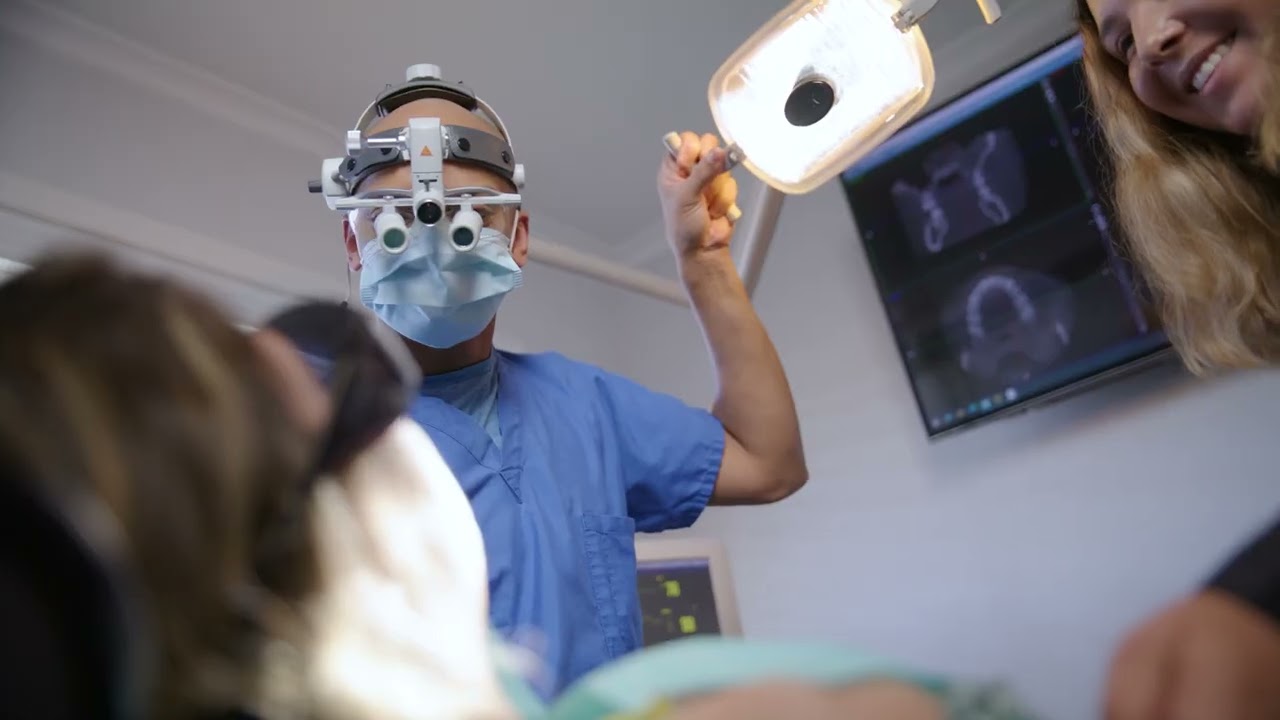
Your dentist will take a CT scan to measure your jawbone before recommending implants. Think of it as a detailed map showing exactly what you're working with. Here's when bone grafting typically becomes necessary:
You've had missing teeth for a while. If it's been months or years since you lost a tooth, bone grafting is almost certain. The bone has had time to deteriorate, and there's simply not enough left to support an implant securely.
You're replacing upper back teeth. The upper jaw near your molars sits close to your sinus cavities. The bone here is naturally thinner, and many patients need a specific type of grafting called a sinus lift to create enough space for implants.
You've had gum disease. Periodontitis doesn't just affect your gums—it eats away at the bone underneath. Even after treating the infection, you might need grafting to rebuild what was lost.
You lost a tooth due to trauma or injury. Whether it was a sports accident or fall, traumatic tooth loss often damages the surrounding bone, requiring grafting before implant placement.
At The Teeth Doctors™ in Fayetteville, Dr. Jeremiah Davis sees these situations regularly. "Many patients worry when they hear they need a bone graft, thinking it means their case is complicated. But bone grafting is actually a routine procedure that sets you up for long-term implant success. We'd rather take the extra few months to build a solid foundation than rush into implants that might fail later."
What Bone Grafting Actually Involves
The procedure itself is more straightforward than most people expect. Your oral surgeon places bone grafting material in the area where bone has been lost. This material acts like a scaffold—it holds space for your body to grow new, healthy bone.
There are several types of bone graft materials available:
Autograft: This uses your own bone, typically taken from your jaw, chin, or in more extensive cases, your hip. Because it's your own tissue, your body accepts it readily. Despite the development of numerous bone substitutes over recent years, autografts remain the gold standard for grafting materials.
Allograft: Human bone from a tissue bank. It's been thoroughly processed and sterilized, making it safe and effective.
Xenograft: Bone derived from animals, usually cows or pigs. Before you recoil at the idea, know that xenografts and particulate grafts showed a remarkable 100% success and survival rate in recent studies.
Synthetic materials: Lab-created bone substitutes made from materials like hydroxyapatite, which naturally occurs in bone.
Most bone grafting procedures at practices like The Teeth Doctors™ use local anesthesia, meaning you're awake but completely numb in the treatment area. The actual grafting takes about 30 to 90 minutes depending on the size of the area being treated.
Recovery and Timeline: What to Expect in Fayetteville
Here's where many patients in Fayetteville get frustrated: bone grafting adds time to your implant process. Initial healing takes about a week, during which you might experience some swelling and mild discomfort. Most patients manage this easily with over-the-counter pain medication and soft foods—think of it as a good excuse to eat all the ice cream and mashed potatoes you want.
The real waiting comes after that first week. The bone graft itself needs at least three months to heal, though complete integration with your natural bone can take up to six months. During this time, your body is actively working, growing new bone cells and creating that solid foundation you'll need for a successful implant.
For patients near Fort Liberty or Hope Mills who have busy schedules, this timeline might seem inconvenient. But consider the alternative: placing an implant in insufficient bone often leads to implant failure, meaning you'd need to start the whole process over anyway.
The good news? Dental bone grafts have success rates up to 100%, depending on the type. When done properly with adequate healing time, bone grafting creates a stable foundation that can last for decades.
Success Rates: The Numbers You Should Know
Let's talk statistics, because numbers tell an important story. The survival rates for dental implants in grafted bone ranged from 97.3% to 100% with an average of 98.5% in studies with 1-5 year follow-ups.
Different grafting materials show slightly different success rates, but all perform remarkably well. Autologous block grafts, composite grafts, and blood derivatives showed success rates ranging from 80.9% to 91.5% and survival rates from 94.2% to 96.7% in comprehensive research reviews.
What can you do to improve these already-good odds? Stop smoking if you smoke—this single factor has the biggest impact on bone graft success. Follow your post-operative care instructions carefully. Keep up with your regular dental cleanings and checkups.
Alternatives When You Want to Skip the Graft
Some Fayetteville patients ask if there's any way around bone grafting. In certain situations, yes. All-on-4 implants can replace an entire arch of teeth using just four strategically placed implants, often without needing extensive grafting. Zygomatic implants anchor into your cheekbone rather than your jaw, bypassing the need for traditional bone grafting.
However, these alternatives aren't appropriate for everyone, and they come with their own considerations. Your dentist will evaluate whether you're a candidate during your consultation.
The Worry Free Approach at The Teeth Doctors™
At The Teeth Doctors™, the "Worry Free From A-to-Z™" approach applies to every procedure, including bone grafting. This means clear explanations of what to expect, transparent pricing with no surprise bills, and support throughout your entire treatment timeline. They understand that adding bone grafting to your treatment plan can feel overwhelming, especially when you were already nervous about the implant procedure itself.
The practice offers sedation options if you're anxious about the procedure. They also coordinate closely with local oral surgeons when more complex grafting is needed, ensuring you get expert care while maintaining continuity with your regular dental team.

Making the Decision: Is It Worth It?
If your dentist recommends bone grafting, it's because the alternative—placing an implant in inadequate bone—carries significant risks. Without a bone graft, implant placement may be compromised in cases of insufficient bone, leading to instability, implant failure, or the need for additional procedures to address complications.
Think of bone grafting as an investment. Yes, it adds a few months to your timeline and increases your upfront costs. But it dramatically improves your chances of long-term implant success. Most patients who initially felt frustrated about needing grafting later say they're glad they took the time to do it right.
The climate here in Fayetteville actually works in your favor during recovery—you won't be dealing with harsh winter weather that might complicate healing, and you can take it easy without feeling like you're missing out on perfect beach days (save those trips to Southern Pines for after you've healed).
Frequently Asked Questions
How much does bone grafting add to the cost of dental implants?
Bone grafting typically adds $300-$1,200 per site, depending on the type of graft material used and the extent of grafting needed. Many dental insurance plans cover at least a portion of medically necessary bone grafting.
Will I need to take time off work for bone grafting?
Most patients take 1-2 days off work after the procedure. If your job involves heavy physical labor, you might want to plan for 3-4 days off to allow proper initial healing.
Can I get the bone graft and implant at the same time?
Sometimes, yes. Socket preservation grafts done immediately after tooth extraction can sometimes allow for simultaneous implant placement. Your dentist will assess whether this is possible in your case based on the amount of existing bone and the location of the tooth.
What happens if the bone graft fails?
Signs of dental bone graft failure include pain or swelling that worsens after the first week, pus or drainage from the bone graft site, gum recession, or no improvement in jawbone volume. If failure occurs, your dentist can repeat the grafting procedure after the area heals. Smoking significantly increases the risk of graft failure, so quitting is important for success.
How do I know if I definitely need bone grafting?
The only way to know for certain is through a CT scan or 3D imaging of your jaw. This shows exactly how much bone you have and whether it's adequate for implant placement. Don't skip this step—guessing about bone adequacy leads to problems down the road.
Are there foods I should avoid after bone grafting?
Stick to soft foods for the first week: scrambled eggs, yogurt, smoothies, mashed potatoes, pasta, and soup. Avoid anything crunchy, chewy, or requiring significant chewing force near the graft site. Also skip alcohol and smoking, as both interfere with healing.
Making decisions about your dental care isn't always simple, especially when procedures like bone grafting enter the picture. But understanding why it's recommended and what to expect can help you move forward with confidence. If you're in Fayetteville and considering dental implants, schedule a consultation to find out exactly what your situation requires. The few extra months spent on proper bone grafting now can mean decades of trouble-free implants later.
The Teeth Doctors™ – Worry-Free from A to Z™ Dental Experience
Providing five-star-rated dental care for families in Fayetteville, The Teeth Doctors™ focus on comfort, communication, and exceptional oral health.
- Family & Preventive Dental Care
- Implant & Teeth Replacement Dental Care
- Cosmetic Dental Care
- Sedation Dentistry
- Smile Transformation Gallery
Read Our Reviews | Meet Our Dentists