
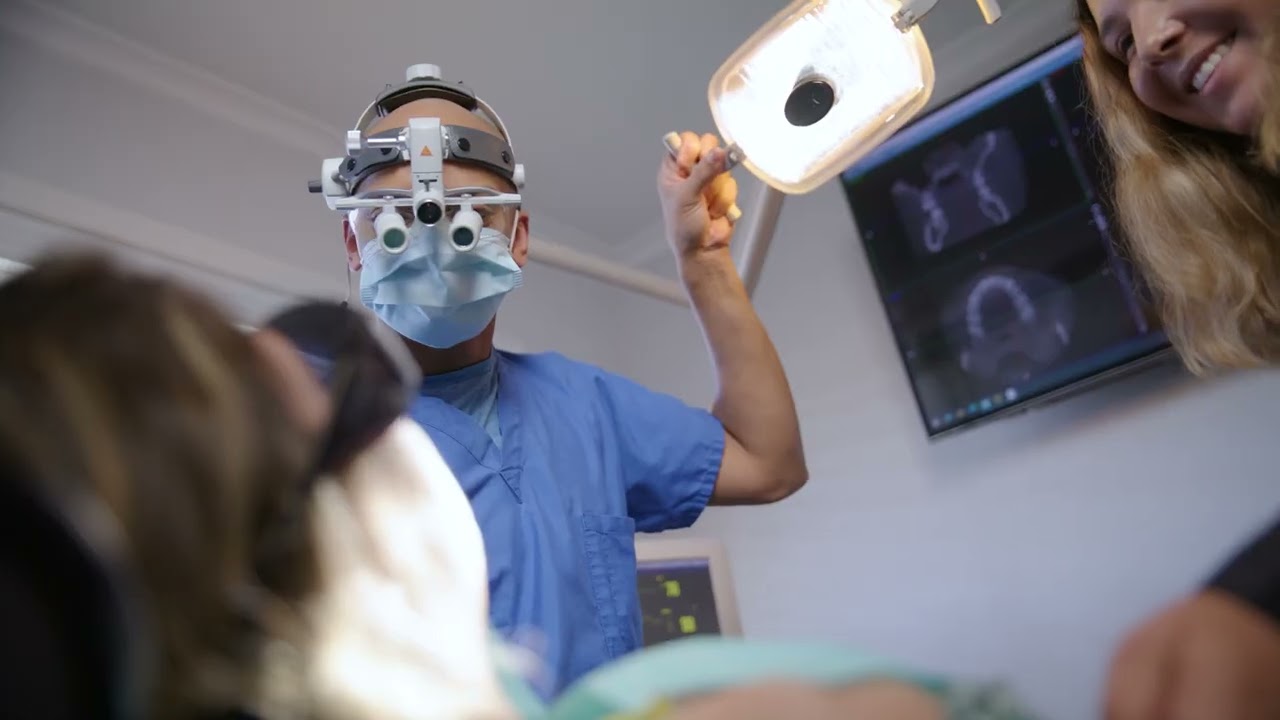
Is It Normal to Get a Second Opinion from a Dentist?
Would you prefer to listen to this article? Click below.

Getting a second opinion from a dentist is not only normal but often recommended, especially for major dental procedures or expensive treatment plans. Many patients feel uncertain about pursuing additional consultations, wondering if it might offend their current dentist or seem excessive. The truth is that seeking multiple professional opinions demonstrates responsible healthcare decision-making.
Dental treatment can involve significant time, money, and potential discomfort. When faced with complex procedures like root canals, extractions, or extensive restorative work, getting another perspective helps you make informed choices about your oral health. Most dental professionals understand and respect patients who seek second opinions, particularly for major treatments.
The dental field includes various specialties and treatment philosophies. What one dentist recommends might differ from another's approach, and both could be valid options. This variation in treatment recommendations makes second opinions valuable for understanding all your available choices.
When You Should Consider Getting a Second Opinion
Several situations make seeking a second dental opinion particularly wise. If your dentist recommends extensive or expensive treatment, getting another perspective can help confirm the necessity and appropriateness of the proposed plan. Major procedures like dental implants, full mouth reconstructions, or multiple extractions warrant additional consultation.
Emergency situations sometimes require immediate decisions, but when time allows, a second opinion provides peace of mind. If you feel rushed to make treatment decisions or your dentist seems to push specific procedures without explaining alternatives, another consultation becomes even more important.
Trust plays a significant role in dental care. If you feel uncomfortable with your current dentist's communication style, treatment recommendations, or practice policies, seeking care elsewhere helps you find a provider who better matches your needs and preferences.
Financial considerations also justify seeking multiple opinions. According to the American Dental Association, dental treatment costs vary significantly between practices, and different dentists may recommend different approaches to address the same problem. Some solutions might be more conservative and less expensive while still effective.
As one patient, Sandra Scheer, experienced: "Dr. Davis and his staff enabled this very nervous and fearful patient to have a stress-free visit. My upcoming treatment involving oral surgery and getting dentures was addressed in a very professional manner, while at the same time Dr. Davis's gentle and reassuring attitude put me completely at ease. He covered every detail, even going out of his way to accommodate scheduling for my tight turn-around time."
Common Dental Situations That Warrant Multiple Consultations
Certain dental conditions and treatments commonly benefit from second opinions. Root canal therapy recommendations often vary between dentists, with some favoring more conservative approaches while others recommend extraction and replacement options like dental implants.
Orthodontic treatment presents another area where multiple opinions prove valuable. Different orthodontists may recommend traditional braces, clear aligners, or other approaches based on their experience and treatment philosophy. The duration and cost of treatment can vary significantly between providers.
Cosmetic dentistry procedures like veneers, crowns, or teeth whitening involve aesthetic judgments that differ between practitioners. Getting multiple perspectives helps you understand various approaches to achieving your desired results.
Oral surgery recommendations, including wisdom tooth extractions or jaw surgery, often benefit from additional consultation. The American Association of Oral and Maxillofacial Surgeons notes that oral surgeons and general dentists may have different thresholds for recommending surgical intervention versus conservative management.
Periodontal disease treatment varies widely in approach. Some dentists recommend immediate deep cleaning procedures, while others suggest trying less invasive treatments first. Understanding your options helps you choose the most appropriate path forward.
How to Approach Getting a Second Opinion
Start by gathering your dental records, X-rays, and any treatment plans from your current dentist. Most dental offices will provide these materials upon request, though some may charge a small fee for copying services. Having complete documentation helps the second dentist understand your situation thoroughly.
Research potential dentists for your second opinion carefully. Look for providers with relevant experience in your specific dental needs. If you need orthodontic work, think about consulting an orthodontist rather than a general dentist. For complex oral surgery, an oral and maxillofacial surgeon might provide the most informed perspective.
Be honest with the second dentist about your reason for seeking consultation. Explain that you want to explore all treatment options before making final decisions. Most dental professionals appreciate patients who take active roles in their healthcare decisions.
Think about seeking opinions from dentists with different practice philosophies. Some practitioners favor more conservative approaches, while others recommend more aggressive treatment. Understanding the full spectrum of possibilities helps you make informed choices.

What to Expect During a Second Opinion Visit
A thorough second opinion appointment typically includes a complete examination, review of existing X-rays, and discussion of your concerns and treatment goals. The dentist should explain their findings clearly and discuss various treatment options available for your situation.
Expect questions about your symptoms, previous dental experiences, and treatment preferences. The consulting dentist needs this information to provide appropriate recommendations tailored to your specific needs and circumstances.
The second dentist may recommend additional diagnostic tests or X-rays if they feel current documentation is insufficient. While this adds to the cost, comprehensive evaluation helps make accurate diagnosis and appropriate treatment planning possible.
During the consultation, ask specific questions about proposed treatments, alternatives, timelines, and costs. A good dentist will explain procedures clearly, discuss potential risks and benefits, and help you understand why they recommend specific approaches.
Patient Karen Howell shared her experience: "The service I received was outstanding. The facility is very clean. The staff is friendly. Dr. Davis is friendly and thorough."
Red Flags That Signal You Need Another Perspective
Certain situations strongly indicate the need for additional consultation. If your dentist recommends extensive treatment without clearly explaining the problems or providing detailed treatment plans, seek another opinion immediately.
High-pressure sales tactics or reluctance to provide written treatment estimates raise concerns about the dentist's motivations. Reputable dental practices provide detailed treatment plans and allow patients time to think about their options.
Significant discrepancies in treatment recommendations between your regular dentist and specialists warrant additional consultation. If your general dentist recommends extraction but an endodontist believes the tooth can be saved, get a third opinion to help resolve the conflict.
Communication problems with your current dentist signal potential issues. If you cannot get clear answers to your questions or feel rushed during appointments, finding a provider who communicates better serves your long-term interests.
The Consumer Guide to Dentistry recommends seeking second opinions when treatment costs exceed $3,000 or when multiple teeth require extensive work.
As patient Patricia Richardson noted: "Dr. Davis takes the time to explain every step of his procedure before he begins. If you want quality dental care, I highly recommend The Teeth Doctors!"
The Benefits and Limitations of Seeking Multiple Opinions
Second opinions provide several advantages for dental patients. They confirm accurate diagnosis, reveal alternative treatment options, and help you understand the full range of solutions for your dental problems. Multiple perspectives also help you gauge the urgency of recommended treatments.
Cost comparison becomes possible when you receive multiple treatment plans. Different dentists may recommend varying approaches with different price points, helping you find solutions that fit your budget while meeting your dental needs.
However, seeking multiple opinions has limitations. Additional consultations cost money and time, which some patients cannot afford. Too many opinions can create confusion rather than clarity, especially if recommendations vary significantly.
Insurance coverage for second opinion consultations varies by provider and plan. Check with your insurance company to understand coverage limitations before scheduling additional appointments.
Patient Valerie Comrie shared: "Best dental experience I've ever had! All of the dental trauma I've had in the past are no longer a concern!"
Making Your Final Decision with Confidence
After gathering multiple opinions, compare the recommendations systematically. Look for areas of agreement between different dentists, as these likely represent necessary treatments. Evaluate differences in approach based on your personal preferences, budget, and treatment goals.
Think about the communication style and comfort level you experienced with each dentist. Technical expertise matters, but you also need a provider who explains things clearly and makes you feel comfortable during treatment.
Factor in practical considerations like office location, appointment availability, payment options, and insurance acceptance. The best treatment plan means nothing if you cannot access or afford the recommended care.
Trust your instincts when making final decisions. If one dentist's recommendations and approach feel right while another creates anxiety or confusion, your comfort level provides important guidance for choosing your dental care provider.
Patient Benigna Horne appreciated her dentist's approach: "You explained in clear details the plan for my treatment. I was apprehensive, and nervous and you help me feel comfortable. Thanks to your staff too, they were also great and helpful."
According to the National Institute of Dental and Craniofacial Research, patients who feel comfortable with their dental provider are more likely to maintain regular preventive care and follow through with recommended treatments.
Another patient, Amanda, emphasized the importance of professional care: "I am very pleased with the professionalism, expertise and kindness of the staff. They are always pleasant and have demonstrated their commitment in working through VA for my care."
Frequently Asked Questions
Is it rude to get a second opinion from another dentist?
No, seeking a second opinion is a normal part of responsible healthcare. Most dentists understand and respect patients who want to explore their options, especially for major procedures or expensive treatments.
Should I tell my current dentist I'm getting a second opinion?
You can choose whether to inform your current dentist, but honesty often works best. Many dentists appreciate patients who take active roles in their healthcare decisions and may even provide referrals to specialists when appropriate.
How much does a dental second opinion cost?
Second opinion consultations typically cost between $50-200, depending on the complexity of your case and whether additional X-rays are needed. Some insurance plans cover second opinion visits for major procedures.
What should I bring to a second opinion appointment?
Bring your dental records, recent X-rays, current treatment plan, and a list of your concerns or questions. Having complete documentation helps the consulting dentist provide accurate recommendations.
How many dental opinions should I get?
For most situations, two opinions provide sufficient information to make informed decisions. Getting more than three opinions often creates confusion rather than clarity, unless you're dealing with very complex or unusual cases.
Can I get a second opinion from the same dental practice?
While possible, seeking opinions from different practices provides more diverse perspectives. Different practices may have varying treatment philosophies, equipment, and approaches to dental care.
What if the second opinion completely contradicts the first?
Significant discrepancies warrant a third opinion, preferably from a specialist in the relevant area. Think about factors like the complexity of your case, each dentist's experience, and your comfort level with different providers.
Will my insurance cover treatment from a different dentist after getting a second opinion?
Insurance coverage depends on your specific plan and network providers. Check with your insurance company about coverage for treatments from different dentists within your network.
The Teeth Doctors™ – Worry-Free from A to Z™ Dental Experience
Providing five-star-rated dental care for families in Fayetteville, The Teeth Doctors™ focus on comfort, communication, and exceptional oral health.
- Family & Preventive Dental Care
- Implant & Teeth Replacement Dental Care
- Cosmetic Dental Care
- Sedation Dentistry
- Smile Transformation Gallery
Read Our Reviews | Meet Our Dentists