
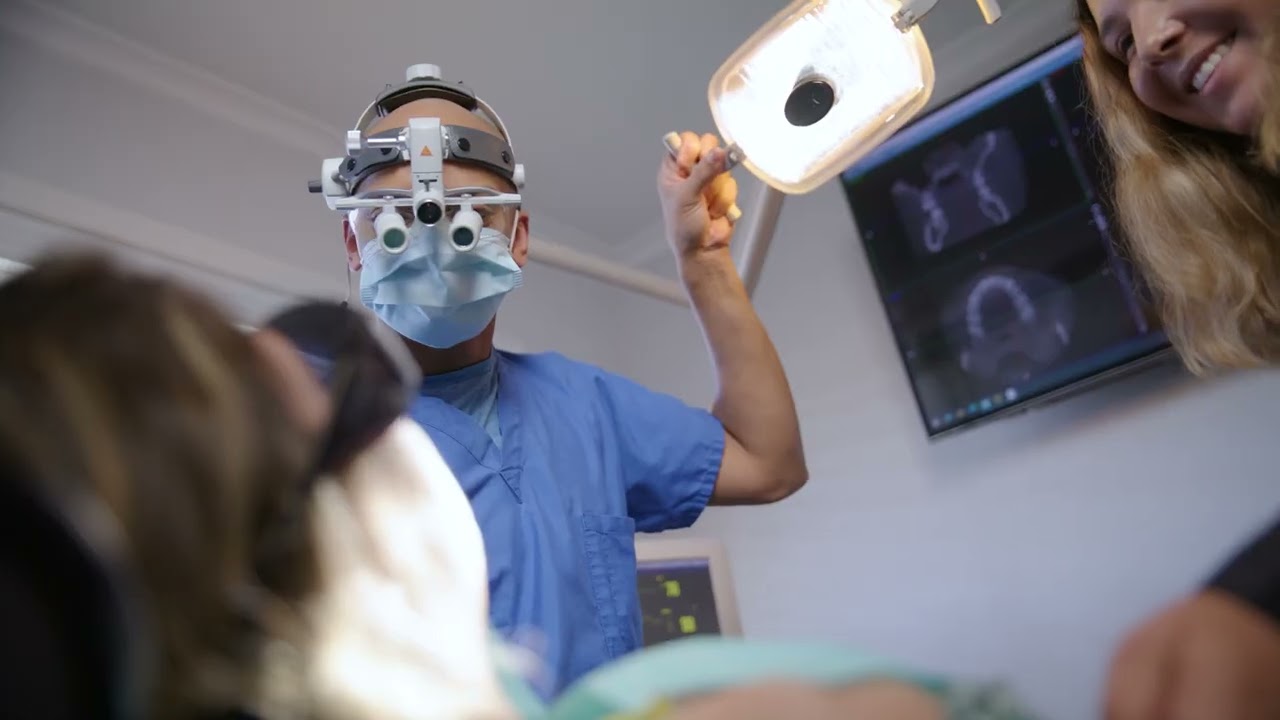
Types of Dental Cleanings Available in Fayetteville, NC

If you're looking for the right dental cleaning in Fayetteville, NC, it’s important to understand the options available. Different types of cleanings are designed to address specific oral health needs, from routine maintenance to more advanced care. Here’s what you need to know about the various types of dental cleanings you can access in Fayetteville.
Prophylactic Cleaning (Regular Cleaning)
The most common and well-known type of dental cleaning, a prophylactic cleaning is the foundation of preventive dental care. Typically recommended twice a year, this routine procedure focuses on removing plaque, tartar (hardened plaque), and surface stains from the visible parts of your teeth. Dental hygienists use specialized tools like ultrasonic scalers and fine hand instruments to gently clean your teeth without harming the enamel. They finish with a thorough polishing, leaving your teeth feeling smooth, clean, and refreshed.
What’s Included in a Regular Cleaning:
- Supragingival Scaling: Cleaning above the gumline to remove tartar and plaque.
- Professional Polishing: Using polishing paste to smooth tooth surfaces and remove minor stains.
- Fluoride Treatment (Optional): Strengthens enamel and provides added protection against cavities.
- Basic Oral Examination: A quick check-up to identify any potential issues.
- Patient Education: Tips on brushing, flossing, and maintaining oral hygiene at home.
Scaling and Root Planing (Deep Cleaning)
When gum disease progresses beyond the early stage of gingivitis, a deeper cleaning called scaling and root planing is required. This procedure targets the deeper pockets of bacteria and tartar buildup beneath the gumline, aiming to treat and manage periodontal (gum) disease. Local anesthesia is typically used to ensure comfort, as the dental hygienist cleans below the gums and smooths out rough spots on the tooth roots to help the gums reattach.
Steps of the Deep Cleaning Process:
- Local Anesthesia: Numbs the gums to make the procedure comfortable.
- Subgingival Scaling: Removes tartar from below the gumline, especially in deep pockets.
- Root Surface Debridement: Smooths rough root surfaces to eliminate bacterial toxins.
- Irrigation with Antimicrobial Agents: Reduces bacteria and promotes healing.
- Post-Procedure Care: Instructions for aftercare, such as gentle brushing and use of mouth rinses.
Periodontal Maintenance Cleaning
After initial treatment for periodontal disease, patients often transition to periodontal maintenance cleanings. These cleanings are scheduled more frequently—typically every three to four months—to keep gum disease from returning. They focus on monitoring and maintaining the health of the gums and supporting bone structure, preventing any relapse or progression of the disease.
Focus Areas in Periodontal Maintenance:
- Pocket Depth Monitoring: Checking for changes in gum pocket depths to track progress.
- Gingival Assessment: Evaluating gum health and identifying any signs of inflammation.
- Bone Level Evaluation: Monitoring the jawbone for any loss or changes.
- Bleeding Point Documentation: Noting areas that bleed to identify problem spots.
- Mobility Testing: Checking the stability of teeth to ensure they remain secure.
Gross Debridement
For those who haven’t been to the dentist in a while, a gross debridement may be necessary before other cleanings can take place. This initial, more intensive cleaning is used to remove heavy accumulations of plaque and tartar, making it possible for the dentist to properly examine your teeth and gums afterward. Using powerful ultrasonic tools and manual scaling instruments, dental professionals work to clear away years of buildup.
When Gross Debridement Is Needed:
- Visible Calculus Bridges: Hardened deposits of tartar that are visibly connecting between teeth.
- Widespread Subgingival Deposits: Tartar found below the gumline throughout the mouth.
- Compromised Visual Examination: Heavy buildup that obstructs a full view of teeth and gums.
- Excessive Plaque Accumulation: A thick layer of plaque covering teeth surfaces.
Implant Maintenance Cleaning
Dental implants require specialized cleaning to ensure their longevity and to prevent conditions like peri-implantitis, a type of inflammation similar to gum disease. Implant maintenance cleanings use tools designed to avoid scratching the implant surfaces while effectively removing bacterial biofilm and tartar.
Special Considerations for Implants:
- Use of Non-Metal Instruments: To prevent scratching the implant surface.
- Specialized Implant Scalers: For precise removal of buildup.
- Air Polishing with Glycine Powder: Gentle yet effective cleaning that won't damage implants.
- Antimicrobial Therapy: Reduces bacteria around the implant.
- Regular Radiographic Assessment: X-rays to ensure the surrounding bone and implant are healthy.

Cosmetic Cleaning
Beyond the basic need for oral health, cosmetic cleanings address aesthetic concerns, aiming to enhance the appearance of your smile while maintaining cleanliness. These treatments often include techniques that brighten and polish teeth for a more visually appealing result.
Popular Options for Smile Enhancement:
- Air Polishing with Sodium Bicarbonate: Removes stubborn stains and brightens teeth.
- Stain Removal Techniques: Specifically targets discoloration for a whiter smile.
- Micro-Abrasion Procedures: Smooths surface imperfections and blemishes.
- Surface Texture Refinement: Polishes teeth for a glossy finish.
- Customized Polishing Protocols: Tailored to your unique needs for a perfect shine.
Full Mouth Disinfection
In cases of severe periodontal infection or before major dental treatments, a full mouth disinfection may be recommended. This intensive cleaning aims to drastically reduce the bacterial load in the mouth, using a combination of deep mechanical cleaning and antimicrobial treatments.
What to Expect During Full Mouth Disinfection:
- Quadrant-by-Quadrant Cleaning: Thoroughly cleans each section of the mouth.
- Tongue and Soft Tissue Decontamination: Cleans bacteria from all soft tissues in the mouth.
- Chlorhexidine Irrigation: A powerful antibacterial rinse to control infection.
- Systemic Antimicrobial Therapy: Medication prescribed to fight bacteria.
- Follow-Up Care Planning: Establishes a schedule for future appointments to monitor healing.
Specialized Cleaning Techniques
Laser Bacterial Reduction: Many modern dental practices use laser technology to enhance cleaning effectiveness. It targets and eliminates harmful bacteria while promoting faster healing of the gums.
Air Polishing Technology: This method uses a fine stream of powder and air to gently clean teeth. Different types of powders are used based on the patient’s needs:
- Sodium Bicarbonate: Best for removing heavy stains.
- Glycine Powder: Gentle enough for sensitive areas.
- Erythritol: Effective for managing biofilm around teeth and implants.
Considering Patient Needs
Medical Conditions: Some patients may require customized cleaning approaches due to medical conditions such as diabetes, cardiovascular disease, or compromised immune systems.
Age-Based Adaptations: Dental cleanings are adjusted for various age groups:
- Pediatric Modifications: Gentle techniques suited for children.
- Geriatric Considerations: Focuses on maintaining oral health in older adults.
- Developmental Factors: Adaptations for physical or cognitive limitations.
Maintenance Recommendations
Home Care Tips: The success of your professional cleanings depends on your home care routine. Some recommendations include:
- Customized Brushing Techniques: To ensure thorough cleaning at home.
- Interdental Cleaning Methods: Like flossing or using interdental brushes.
- Antimicrobial Rinse Protocols: To help reduce bacteria levels between visits.
- Dietary Considerations: Avoiding sugary foods that can contribute to plaque buildup.
- Regular Self-Assessment: Checking for any signs of gum issues or decay.
Scheduling Regular Follow-Ups:
Staying on top of your dental cleanings with appropriately timed visits ensures optimal oral health. Dentists adjust the frequency based on your risk factors to keep your smile in top condition.
The Teeth Doctors™ – Worry-Free from A to Z™ Dental Experience
Providing five-star-rated dental care for families in Fayetteville, The Teeth Doctors™ focus on comfort, communication, and exceptional oral health.
- Family & Preventive Dental Care
- Implant & Teeth Replacement Dental Care
- Cosmetic Dental Care
- Sedation Dentistry
- Smile Transformation Gallery
Read Our Reviews | Meet Our Dentists