
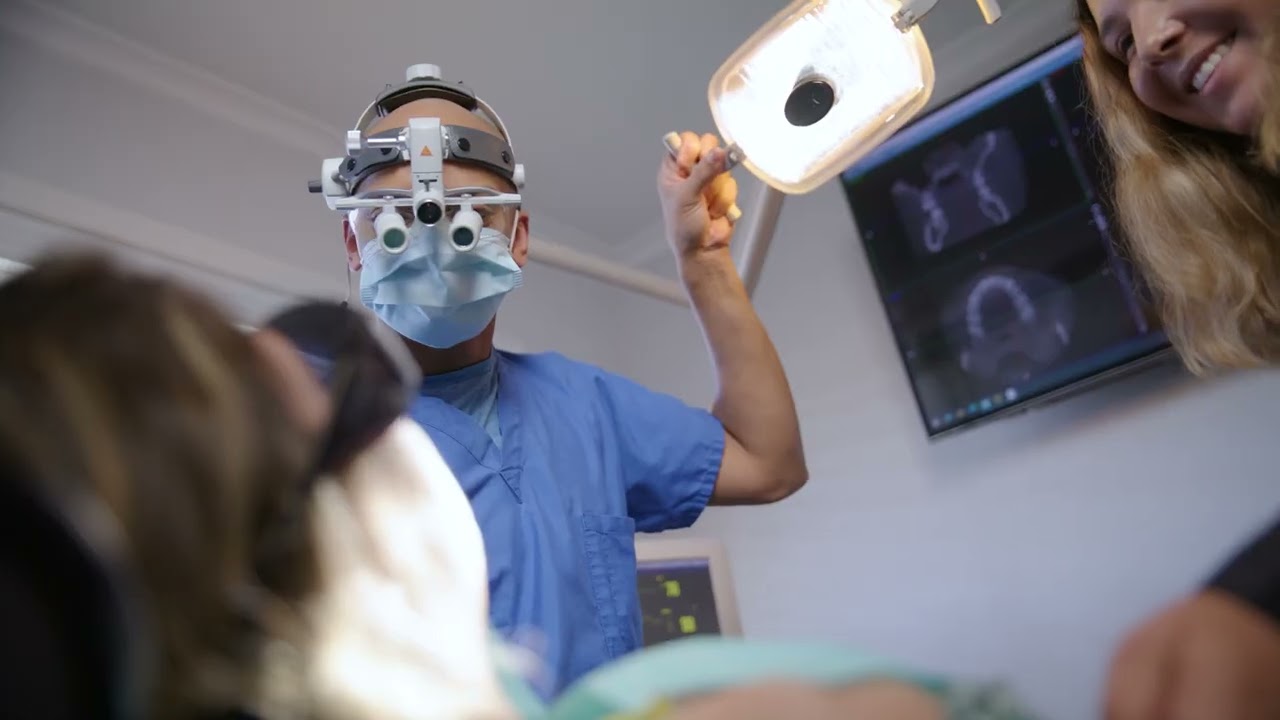
3 Tips for Getting a Dental Second Opinion in Fayetteville NC
Would you prefer to listen to this article? Click below.

When your dentist recommends a major treatment or you feel uncertain about a diagnosis, getting a dental second opinion can provide peace of mind and help you make the best decision for your oral health. In Fayetteville, NC, you have access to skilled dental professionals who can offer valuable insights into your treatment options.
Getting a second opinion doesn't mean you don't trust your current dentist. Instead, it shows you're taking an active role in your healthcare decisions. Many patients find that a second perspective helps them better understand their condition and feel more confident about their treatment choices.
Know When to Seek a Second Opinion
Major Procedures That Warrant Additional Consultation
Certain dental treatments involve significant time, cost, and impact on your oral health. You should strongly think about getting a second opinion for procedures such as:
Full mouth reconstructions often cost tens of thousands of dollars and require multiple appointments over several months. A second dentist can review your case and potentially suggest alternative approaches or confirm that the recommended treatment plan is appropriate.
Dental implant placement requires careful evaluation of your bone density, gum health, and overall oral condition. According to the American Academy of Implant Dentistry, dental implants have a success rate of over 95%, but proper planning is essential for optimal outcomes.
Root canal therapy can sometimes be avoided with alternative treatments like crowns or even tooth extraction followed by replacement options. A second opinion helps you understand all available choices before committing to treatment.
Orthodontic treatment often involves years of commitment and significant financial investment. Different orthodontists may have varying approaches to correcting your specific bite issues or alignment problems.
Red Flags That Indicate You Should Get Another Perspective
Pay attention to situations that might warrant seeking additional input from another dental professional:
Your dentist recommends removing multiple teeth without clear explanations of why each tooth needs extraction. While some cases require multiple extractions, you deserve a thorough explanation of the reasoning behind each recommendation.
The treatment plan seems rushed or you feel pressured to make immediate decisions about expensive procedures. Legitimate dental emergencies exist, but most treatment planning allows time for consideration and second opinions.
You receive a diagnosis that seems inconsistent with your symptoms or previous dental evaluations. Dental conditions can change over time, but dramatic shifts in your oral health status should be clearly explained.
The cost estimates vary significantly from what you expected or researched online. While dental fees vary by location and complexity, extremely high or low estimates compared to regional averages might indicate the need for additional consultation.
Cost Considerations and Insurance Implications
Before seeking a second opinion, understand your financial responsibilities. Most dental insurance plans cover second opinion consultations, especially for major procedures. Check with your insurance provider about coverage limits and whether you need pre-authorization.
The cost of a second opinion consultation typically ranges from $75 to $200, depending on the complexity of your case and whether new X-rays are needed. This investment often pays for itself by helping you avoid unnecessary treatments or finding more cost-effective alternatives.
Some dentists offer free second opinion consultations as a way to attract new patients. While these can be valuable, make sure the dentist providing the opinion has the appropriate credentials and experience for your specific condition.
Choose the Right Dentist for Your Second Opinion
What to Look for in a Second Opinion Provider
Select a dentist with relevant experience for your specific needs. If you need a second opinion about gum disease treatment, consider consulting a periodontist. For complex restorative work, look for a dentist with advanced training in cosmetic or reconstructive dentistry.
Board certification and continuing education demonstrate a dentist's commitment to staying current with advances in dental care. The American Dental Association provides resources for verifying dentist credentials and specializations.
Look for dentists who use modern diagnostic equipment and techniques. Digital X-rays, intraoral cameras, and 3D imaging can provide more detailed information about your condition and help you get accurate diagnoses.
Questions to Ask Potential Dentists
When contacting dental offices in Fayetteville for second opinions, ask these important questions:
"What is your experience with cases similar to mine?" The dentist should be able to discuss their background treating your specific condition and provide examples of successful outcomes.
"What diagnostic tools will you use during my consultation?" A thorough second opinion often requires new X-rays or other imaging to get a fresh perspective on your condition.
"How long will the consultation take, and what will it include?" A comprehensive second opinion typically takes 30 to 60 minutes and includes a thorough examination, review of your dental history, and discussion of treatment options.
"Will you provide a written treatment plan and cost estimate?" Having written documentation helps you compare recommendations and makes it easier to discuss options with your original dentist.
How to Find Qualified Dental Professionals in Fayetteville
Start by asking your current dentist for referrals. While this might seem counterintuitive, many dentists maintain professional relationships with colleagues and can recommend specialists for second opinions.
Contact the North Carolina Dental Society or use online directories to find dentists in your area. These resources often include information about dentists' specializations, credentials, and patient reviews.
Ask friends, family members, and healthcare providers for recommendations. Personal experiences from people you trust can provide valuable insights into different dentists' communication styles and treatment approaches.
Research online reviews and ratings, but remember that individual experiences can vary significantly. Look for patterns in reviews rather than focusing on isolated complaints or praise.
Prepare Properly for Your Second Opinion Appointment
Gathering Your Dental Records and X-rays
Contact your current dental office to request copies of your dental records, X-rays, and any treatment plans. Most offices can provide digital copies via email or CD, making it easy to share information with other providers.
Under federal law, you have the right to access your dental records. The Health Insurance Portability and Accountability Act (HIPAA) requires dental offices to provide copies of your records within 30 days of your request, though many offices can provide them much sooner.
Bring a list of all medications you're currently taking, including over-the-counter supplements. Some medications can affect dental treatment options or healing processes.
If you have dental insurance, bring your insurance card and any relevant plan information. This helps the second opinion provider understand your coverage limitations and suggest appropriate treatment options.

Preparing Questions to Ask
Write down your questions before the appointment to make sure you don't forget important topics during your consultation. Consider asking:
"Do you agree with the original diagnosis?" The second dentist should explain their findings and whether they align with your previous evaluation.
"What are all my treatment options, including doing nothing?" Sometimes, monitoring a condition is appropriate instead of immediate intervention.
"What are the potential risks and benefits of each treatment option?" Understanding both positive and negative outcomes helps you make informed decisions.
"How urgent is this treatment?" Knowing whether you need immediate care or can take time to plan allows for better decision-making.
"What would you do if this were your own tooth or your family member's situation?" This question often elicits honest, practical advice from dental professionals.
What to Expect During the Consultation
A thorough second opinion appointment begins with a review of your dental history and current concerns. The dentist will examine your mouth, teeth, and gums, often taking new X-rays to get a fresh perspective on your condition.
The dentist should explain their findings in language you can understand, using visual aids like X-rays or intraoral photos when helpful. They should also discuss treatment alternatives and explain why they recommend specific approaches.
Expect the consultation to take 45 minutes to an hour for complex cases. Simple second opinions might take less time, but thorough evaluations require adequate time for examination and discussion.
The dentist should provide you with a written summary of their findings and recommendations. This documentation helps you compare different treatment approaches and makes follow-up discussions more productive.
As one patient, Sandra Scheer, shared about her experience: "Dr. Davis and his staff enabled this very nervous and fearful patient to have a stress-free visit. My upcoming treatment involving oral surgery and getting dentures was addressed in a very professional manner, while at the same time Dr. Davis's gentle and reassuring attitude put me completely at ease. He covered every detail, even going out of his way to accommodate scheduling for my tight turn-around time."
Making an Informed Decision After Your Second Opinion
How to Evaluate Conflicting Recommendations
When two dentists provide different recommendations, focus on understanding the reasoning behind each approach rather than simply choosing the less expensive or less invasive option.
Ask both dentists to explain why they recommend their specific treatment approach. Good dentists can provide evidence-based reasons for their recommendations and acknowledge when multiple valid treatment options exist.
Consider the long-term implications of each treatment option. Sometimes, more conservative approaches require additional treatment later, while more comprehensive treatments provide longer-lasting solutions.
Research the treatments independently using reliable sources like the American Dental Association or dental school websites. Understanding the procedures helps you ask better questions and evaluate recommendations more effectively.
When to Seek a Third Opinion
If two dentists provide dramatically different diagnoses or treatment recommendations, a third opinion from a specialist might be warranted. This is particularly important for complex cases involving multiple teeth or when surgical procedures are recommended.
Consider seeking a third opinion if you still feel uncertain after two consultations or if the recommended treatments vary significantly in cost or invasiveness.
Academic dental institutions often provide third opinion consultations through their faculty practices. These dentists stay current with the latest research and techniques and may offer perspectives not available in private practice.
Moving Forward with Confidence
Once you've gathered sufficient information, trust your instincts and choose the treatment approach that feels right for your situation. Consider factors beyond just cost, including the dentist's communication style, office environment, and your comfort level with the recommended treatment.
Remember that you can often combine insights from multiple consultations. For example, you might choose to have treatment with your original dentist but request modifications based on suggestions from your second opinion consultation.
Don't feel obligated to have treatment with the dentist who provided your second opinion. The goal is to gather information that helps you make the best decision for your oral health, regardless of where you ultimately receive treatment.
Another patient, Valerie Comrie, noted: "Best dental experience I've ever had! All of the dental trauma I've had in the past are no longer a concern!"
Taking Control of Your Dental Health in Fayetteville
Getting a second opinion demonstrates your commitment to making informed healthcare decisions. By following these three key tips, you can navigate the process effectively and gain confidence in your treatment choices.
Remember that seeking additional input is a normal part of healthcare decision-making, especially for significant procedures. The investment in a second opinion consultation often provides valuable peace of mind and can help you avoid unnecessary treatments or find better alternatives.
Your oral health affects your overall well-being, so take the time needed to make decisions you feel comfortable with. Fayetteville offers access to skilled dental professionals who can provide the expertise and guidance you need to maintain optimal oral health throughout your life.
Frequently Asked Questions
How much does a dental second opinion cost in Fayetteville?
Most dental second opinion consultations in Fayetteville range from $75 to $200, depending on the complexity of your case and whether new X-rays are needed. Many dental insurance plans cover second opinion consultations, especially for major procedures, so check with your insurance provider about coverage.
Will my dentist be offended if I seek a second opinion?
Professional dentists understand that patients want to feel confident about their treatment decisions. Most dentists support patients seeking second opinions for major procedures and may even provide referrals to colleagues. If your dentist reacts negatively to your request for a second opinion, this might be a red flag about their practice.
How long should I wait between my first consultation and seeking a second opinion?
For non-emergency dental issues, you can take time to research and schedule a second opinion consultation. However, if your dentist indicates that your condition is urgent or could worsen quickly, seek a second opinion within a few days to a week.
What should I do if two dentists give me completely different diagnoses?
When facing conflicting diagnoses, consider seeking a third opinion from a specialist or academic dental institution. Ask both dentists to provide detailed explanations of their findings and reasoning. You can also request copies of all X-rays and diagnostic information to share with additional providers.
Can I get a second opinion from a dentist who doesn't take my insurance?
Yes, you can seek a second opinion from any qualified dentist, regardless of whether they accept your insurance. Even if you pay out-of-pocket for the consultation, the information gained often helps you make better decisions about your treatment. Some insurance plans may reimburse you for out-of-network second opinion consultations.
How do I know if I really need the treatment my dentist recommended?
Ask your dentist about the consequences of delaying treatment and whether your condition will worsen without immediate intervention. For non-urgent conditions, you often have time to seek a second opinion and research your options. Trust your instincts if something feels wrong or if you're being pressured to make quick decisions about expensive treatments.
The Teeth Doctors™ – Worry-Free from A to Z™ Dental Experience
Providing five-star-rated dental care for families in Fayetteville, The Teeth Doctors™ focus on comfort, communication, and exceptional oral health.
- Family & Preventive Dental Care
- Implant & Teeth Replacement Dental Care
- Cosmetic Dental Care
- Sedation Dentistry
- Smile Transformation Gallery
Read Our Reviews | Meet Our Dentists