
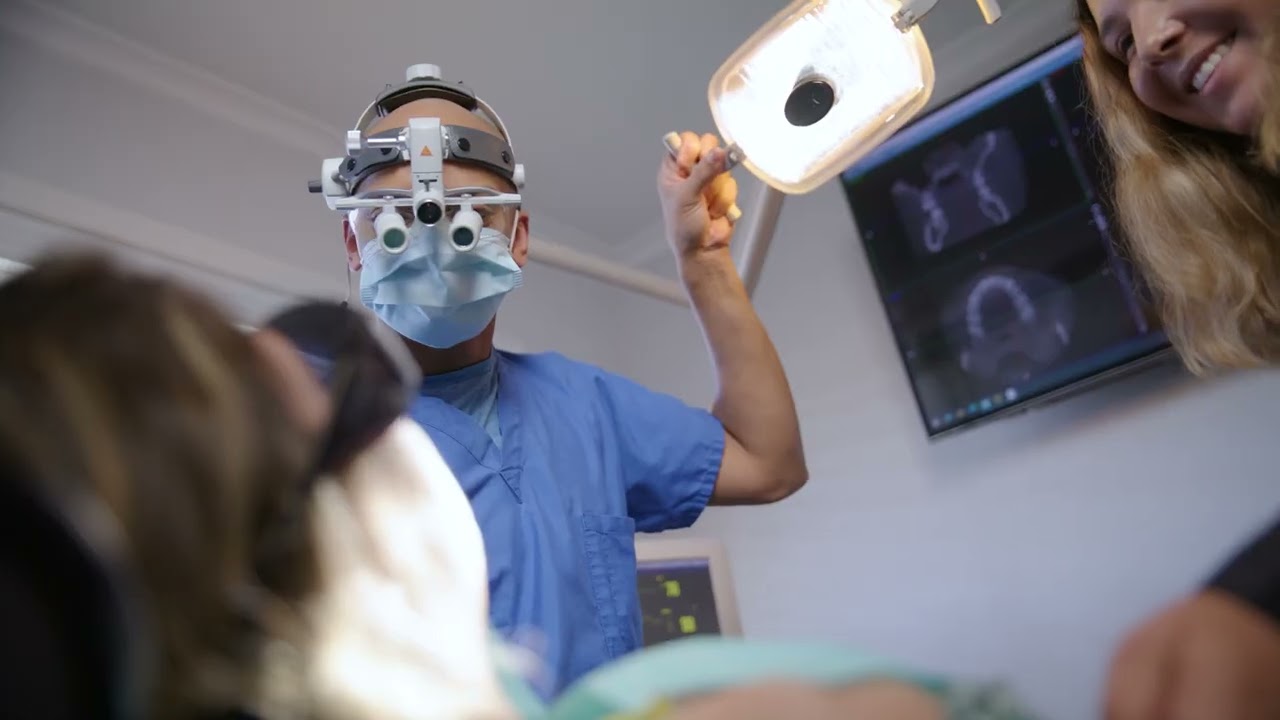
Wisdom Teeth Removal Recovery: What to Actually Expect (Day by Day)

Key Takeaways
Wisdom teeth removal recovery is usually most uncomfortable for the first three days, then improves steadily through the first week. How fast you heal depends largely on whether your teeth were impacted, and the most important thing you can do is protect the blood clot in each socket to avoid dry socket. Here's what to keep in mind.
- Most people get through the worst of wisdom teeth removal recovery in 3 to 4 days, with soft-tissue healing largely complete by 7 to 10 days.
- Bony impactions take longer to settle than soft-tissue impactions, and the bone underneath keeps remodeling for several months after the gums close.
- Dry socket affects roughly 4% of all extractions but is far more common with lower wisdom teeth, so protecting the blood clot for the first 72 hours matters most.
- Stick to soft, lukewarm foods for the first few days, skip straws and smoking, and keep your head elevated to control swelling.
- Call your dentist if pain spikes after day three, bleeding won't stop, or you run a fever above 100.4°F, since those can signal dry socket or infection.
Wisdom teeth removal recovery usually takes 7 to 10 days for most people, with the toughest stretch falling in the first three days. Soft-tissue impactions tend to heal on the faster end of that window, while bony impactions can take up to two full weeks for the gums to close, and the bone underneath continues healing quietly for months. The single biggest thing you can do is protect the blood clot in each socket during the first 72 hours so you avoid a painful complication called dry socket.
How Long Does Wisdom Teeth Removal Recovery Take?
Most wisdom teeth removal recovery follows a predictable arc: rough for a few days, noticeably better by the end of the first week, and back to normal eating within two weeks. Wisdom teeth removal is the surgical extraction of the third molars at the back of your mouth, which often sit at an angle or stay trapped under the gum or bone. How fast you bounce back depends mostly on how the teeth were positioned going in.
Here's the thing most people don't realize: the gums and the bone heal on two different clocks. The surface tissue knits back together within a couple of weeks, but the bone where the tooth used to sit keeps remodeling for three to six months. You won't feel that deeper healing day to day, so don't panic if you notice a little tightness or sensitivity weeks later. That's normal.
Younger patients usually heal faster because their tissue and bone regenerate more efficiently, which is part of why dentists often recommend removing problem wisdom teeth in the late teens or early twenties. If you're a parent weighing the timing for your teen, our " When to Remove Wisdom Teeth article breaks down the signs it's time.
What Does the Wisdom Teeth Recovery Timeline Look Like?
A typical wisdom teeth recovery timeline runs from peak swelling around day two or three to near-complete soft-tissue healing by day ten. The table below shows what most patients can expect, though your exact pace depends on age, overall health, and whether the teeth were impacted.
| Stage | What's Happening |
|---|---|
| First 24 hours | A blood clot forms in each socket. Some bleeding and oozing is normal. This clot is the foundation of healing, so leave it alone. |
| Days 2–3 | Swelling and bruising usually peak. Cold compresses on the cheeks and keeping your head elevated help the most here. |
| Days 3–7 | Swelling starts to come down, and pain eases. Pain that gets worse after day three is a red flag for dry socket, not normal healing. |
| Week 1 | Most soft-tissue healing is well underway. Many people return to normal routines, though some discomfort can linger. |
| Week 2 | Stitches have usually dissolved or been removed. For routine extractions, the majority of recovery is complete. |
| Weeks 3–4 | Gum tissue has largely closed over. The visible holes fill in with new tissue. Most people eat whatever they want. |
| 3–6 months | Bone remodeling continues beneath the surface, especially if a bone graft was placed. You won't feel this stage. |
How Is Recovery Different for Impacted Wisdom Teeth?
Impacted wisdom teeth generally mean a few extra days of recovery because the surgery itself is more involved. According to the Cleveland Clinic, a soft tissue impaction is when the tooth has cleared the jawbone but hasn't broken fully through the gum, while a bony impaction means the tooth is still partly or completely buried in the jaw.
That distinction matters for your recovery. Soft-tissue impactions tend to heal toward the quicker end of the timeline. Bony impactions often require the surgeon to section the tooth or remove a bit of bone, which means slightly more swelling and a healing window that can stretch a few extra days. It doesn't mean something is wrong. It just means your body has a little more rebuilding to do.
This is also where having an experienced provider pays off. Dr. Jeremiah Davis has performed more than 2,500 wisdom teeth extractions, including complex bony impactions, and that volume translates into efficient surgery and clear, realistic aftercare guidance tailored to how your teeth actually came out.

What Is Dry Socket and How Do You Prevent It?
Dry socket is the most common complication of wisdom teeth removal, and it happens when the protective blood clot dislodges or dissolves before the socket heals. According to the American Association of Oral and Maxillofacial Surgeons, dry socket occurs in roughly 4% of all extractions, and it shows up far more often in the lower jaw, where wisdom teeth tend to be more impacted.
When the clot is lost, the bone and nerves underneath get exposed to air, food, and temperature changes. The result is a deep, throbbing ache that often radiates toward your ear, temple, or chin, usually starting two to four days after surgery, right when you thought you were past the worst. A bad taste or odor that brushing won't fix is another telltale sign.
The good news is that dry socket is largely preventable. For the first 72 hours:
- Don't use straws, and don't smoke or vape. The suction can pull the clot right out.
- Skip vigorous rinsing or spitting. After the first day, rinse gently with warm salt water instead.
- Avoid alcohol and carbonated drinks while the clot sets up.
- Keep food particles out of the sockets, and use the irrigation syringe your provider gives you exactly as directed once they say it's safe.
If you suspect dry socket, don't tough it out. Call your dentist. It's quick to treat, usually with a medicated dressing that brings near-instant relief. Smokers and Fort Liberty service members heading back to a physically demanding routine should be especially careful here. Our dry socket recovery article covers treatment in more detail.
What Can You Eat During Wisdom Teeth Removal Recovery?
Stick to soft, lukewarm foods for the first few days of wisdom teeth removal recovery, then add texture back gradually as the sockets close. Cold and room-temperature foods feel good early on and won't disturb the clot the way hot or crunchy foods can.
Reliable early options include yogurt, applesauce, smoothies eaten with a spoon rather than a straw, mashed potatoes, scrambled eggs, broth-based soups once they've cooled to lukewarm, oatmeal, and well-cooked pasta. Around days four to seven, most people can work in softer solids like flaky fish, soft bread, and ripe fruit. Hold off on chips, nuts, popcorn, and anything chewy or sharp until the sockets have fully closed, since stray particles love to lodge in healing sites.
Staying hydrated and nourished genuinely speeds healing, so don't skip meals just because chewing feels awkward. Smoothies and soups carry a lot of nutrition without much effort.
How Do Sedation Options Affect Your Recovery?
The sedation you choose affects your comfort during surgery and the first few hours afterward, not the healing timeline itself. What it changes is the experience, and for anxious patients that can make the difference between getting wisdom teeth handled and putting it off for years.
The Teeth Doctors™ is one of the only practices in the Fayetteville area offering a full four-tier sedation menu, from nitrous oxide up to general anesthesia delivered in-office by a licensed Dental Anesthesiologist. Dr. Davis has performed more than 1,500 safe dental sedations, so if the idea of being awake for an extraction is what's holding you back, there's a comfortable path through it.
One practical recovery note tied to sedation: if you have IV sedation or general anesthesia, you'll need a responsible adult to drive you home and stay with you for a few hours. Plan that ride in advance. You can read more about the levels of sedation in our sedation dentistry guide.
When Should You Call Your Dentist?
Call your dentist if pain worsens after day three, bleeding doesn't slow with gauze pressure, or you develop a fever, since these signal complications rather than normal healing. Most wisdom teeth recovery is uneventful, but knowing the warning signs means you act fast if something's off.
Reach out promptly if you notice a fever above 100.4°F, severe pain that worsens after day three or doesn't respond to your prescribed medication, swelling that keeps growing after day three instead of shrinking, pus or a persistent foul taste, numbness in your lip, chin, or tongue that lasts well beyond the expected recovery, or bleeding you can't control with steady gauze pressure. Same-day emergency availability at The Teeth Doctors™ means Fayetteville patients aren't left waiting when something doesn't feel right.
Medically reviewed by Dr. Jeremiah Davis, FAAID, DABOI/ID, IDEA Surgical Master
Dr. Davis is a U.S. Army Veteran and an IDEA Surgical Master who has performed more than 2,500 wisdom teeth extractions and over 1,500 safe sedations for patients across Fayetteville, Fort Liberty, and Hope Mills.
The Teeth Doctors™ – Worry-Free from A to Z™ Dental Experience
Providing five-star-rated dental care for families in Fayetteville, The Teeth Doctors™ focus on comfort, communication, and exceptional oral health.
- Family & Preventive Dental Care
- Implant & Teeth Replacement Dental Care
- Cosmetic Dental Care
- Sedation Dentistry
- Smile Transformation Gallery
Read Our Reviews | Meet Our Dentists