
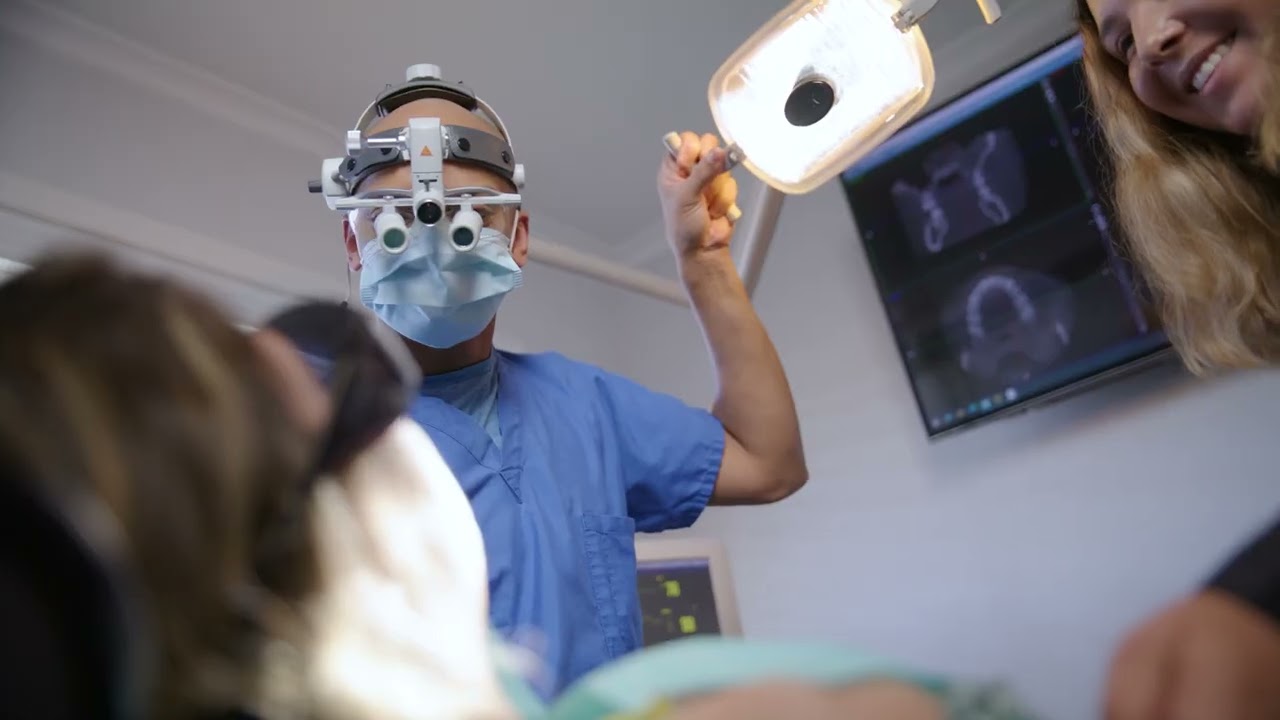
9 Most Commonly Asked Questions About Conscious Sedation Dentistry

Conscious sedation dentistry represents a groundbreaking approach to managing dental anxiety and discomfort during procedures. This sophisticated method allows patients to remain awake yet deeply relaxed throughout their dental treatment. Unlike general anesthesia, conscious sedation maintains the patient's ability to respond to verbal commands while significantly reducing anxiety and awareness of the procedure.
The decision to pursue sedation dentistry often stems from various concerns, including severe dental anxiety, complex dental procedures, or medical conditions that make traditional dental visits challenging. This modern approach has revolutionized dental care, making it accessible to patients who might otherwise avoid necessary treatment.
What are the Types of Conscious Sedation Available?
The field of sedation dentistry offers several distinct options, each tailored to different patient needs and procedure requirements. Nitrous oxide, commonly known as laughing gas, provides the mildest form of sedation. This time-tested method takes effect quickly and wears off rapidly, allowing patients to drive themselves home afterward.
Oral conscious sedation involves taking prescribed medication before the procedure. This method produces deeper relaxation but requires more recovery time. The medication typically induces a twilight state where patients remain conscious but may have limited memory of the procedure.
IV sedation delivers sedative medications directly into the bloodstream, offering the deepest level of conscious sedation. This method allows for precise control of sedation levels and immediate adjustments as needed during the procedure.
The varying levels of sedation range from minimal to deep, with each level carefully calibrated to match the patient's needs and the complexity of the dental procedure.
Is Conscious Sedation Safe?
Dental sedation maintains an impressive safety record when administered by qualified professionals. Rigorous safety protocols govern every aspect of sedation dentistry, from patient screening to monitoring during procedures. These protocols include comprehensive medical history reviews and continuous vital sign monitoring throughout treatment.
During sedation, dental professionals utilize sophisticated monitoring equipment to track blood pressure, oxygen levels, and heart rate. This constant surveillance ensures patient safety and allows for immediate response to any concerns.
Recovery considerations form an integral part of the safety protocol, with specific guidelines for post-procedure care and monitoring.
Who Can Benefit from Sedation Dentistry?
Sedation dentistry proves particularly valuable for individuals with dental anxiety or phobia. These patients often avoid necessary dental care due to fear, making sedation an essential tool in maintaining their oral health.
Patients undergoing complex or lengthy procedures frequently opt for sedation to ensure comfort throughout extended treatments. Multiple procedures can often be completed in a single visit under sedation, improving efficiency and reducing overall stress.
Certain medical conditions, such as strong gag reflexes or difficulty remaining still, may necessitate sedation for effective dental treatment.
How Long Does Sedation Last?
The duration of sedation varies significantly depending on the method chosen. Nitrous oxide effects dissipate within minutes of removing the mask, while oral sedation may last several hours. IV sedation effects typically subside within a few hours but may require 24 hours for complete recovery.
Recovery time expectations differ based on individual factors and sedation type. Patients should plan accordingly, particularly regarding work or school commitments following their procedure.
Post-procedure effects gradually diminish, with most patients returning to normal activities within 24 hours, depending on the sedation method used.

What Are the Side Effects of Sedation Dentistry?
Common side effects typically include drowsiness, mild nausea, and temporary memory loss of the procedure. These effects generally resolve quickly and cause minimal disruption to daily activities.
Rare complications may include prolonged drowsiness or adverse reactions to sedative medications. However, these occurrences remain exceptionally uncommon under proper professional supervision.
Certain risk factors, such as sleep apnea or specific medications, may influence sedation choices and require additional precautions.
How Much Does Sedation Dentistry Cost?
Insurance coverage for sedation dentistry varies significantly among providers. While some plans cover sedation for specific procedures, others may consider it an optional service.
Average costs range from approximately $200-$300 for nitrous oxide to $500-$2,000 for oral sedation, with IV sedation typically commanding higher fees. These figures represent base costs and may vary by region and specific requirements.
Many dental practices offer payment plans or financing options to make sedation dentistry more accessible to patients requiring this service.
How do you prepare for Sedation Dentistry?
Fasting guidelines typically require patients to avoid food and drink for several hours before sedation, with specific requirements varying by sedation type.
Medical clearance may be necessary for patients with certain health conditions or those taking specific medications.
Transportation arrangements must be made in advance, as patients cannot drive themselves home after most forms of sedation.
What happens after getting Sedation Dentistry?
Recovery instructions include detailed guidelines for rest, hydration, and activity restrictions following sedation. Patients should follow these instructions carefully to ensure optimal recovery.
Activity restrictions typically include avoiding driving, operating machinery, or making important decisions for 24 hours after sedation.
Follow-up care may include check-up appointments and specific instructions for ongoing dental care.
How do you choose the Right Sedation Option?
Selecting the appropriate sedation method involves carefully weighing various factors, including procedure complexity, medical history, and personal preferences.
The consultation process allows patients to discuss concerns and options with their dental professional, ensuring informed decision-making.
Making an informed decision requires understanding all available options and their implications for both treatment and recovery.
The Teeth Doctors™ – Worry-Free from A to Z™ Dental Experience
Providing five-star-rated dental care for families in Fayetteville, The Teeth Doctors™ focus on comfort, communication, and exceptional oral health.
- Family & Preventive Dental Care
- Implant & Teeth Replacement Dental Care
- Cosmetic Dental Care
- Sedation Dentistry
- Smile Transformation Gallery
Read Our Reviews | Meet Our Dentists