
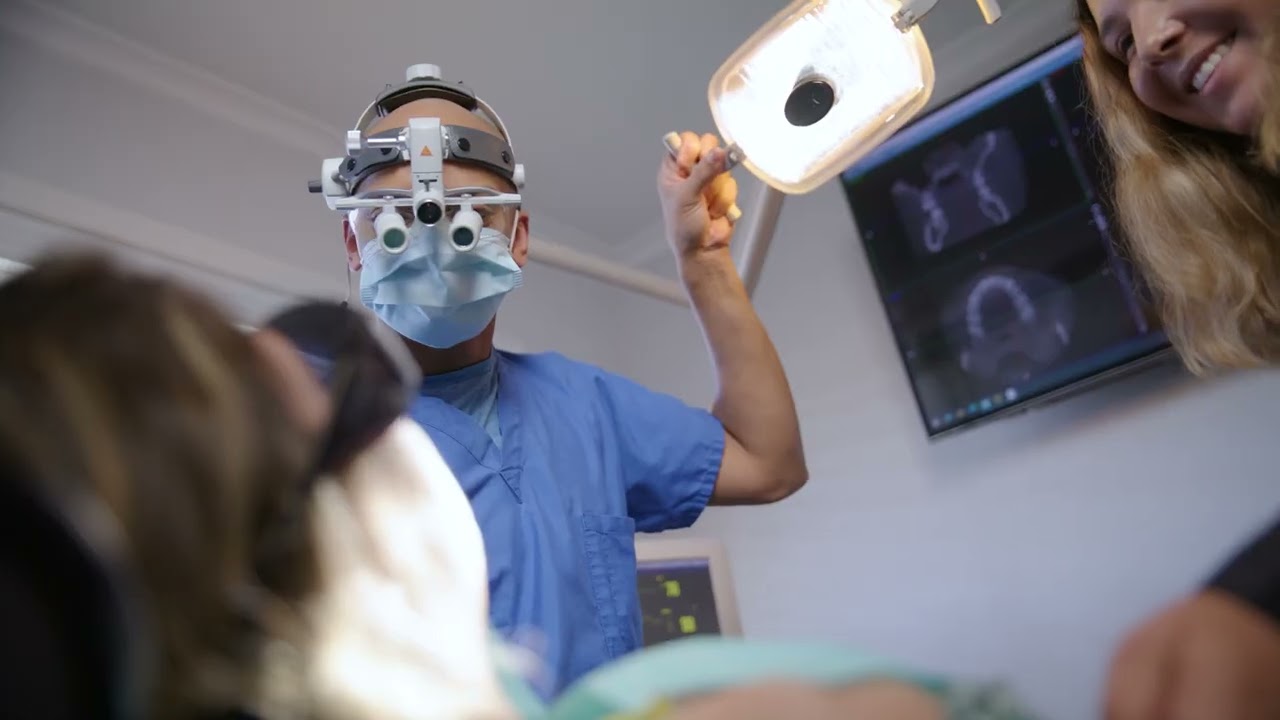
Sedation Dentistry, in Fayetteville, North Carolina; Comparing Oral Sedation and IV Sedation

Introduction to Sedation Dentistry
Sedation dentistry has revolutionized dental care, offering an approach to managing oral health for many individuals. This modern method involves using medications to help patients relax during procedures. The main goal of sedation dentistry is to reduce anxiety, alleviate pain, and ensure that patients are comfortable throughout their treatment.
The history of sedation in dentistry dates back to the century when "laughing gas," known as oxide, was first used to control pain during tooth extractions. Over time, advancements have occurred in the field, such as developing advanced sedatives and improved administration techniques.
Sedation Dentistry in Fayetteville, NC
Sedation dentistry has become increasingly popular in Fayetteville, North Carolina, among both professionals and patients. The city is home to clinics that offer a range of sedation options tailored to meet the diverse needs of the community. Whether it's dentistry services or specialized oral surgery centers, access to sedation options has become more widespread.
Local regulations governing sedation dentistry in Fayetteville align with the guidelines established by the North Carolina State Board of Dental Examiners.
These strict guidelines ensure that sedation is given safely and efficiently, prioritizing the well-being of the patient above all else.
The Teeth Doctors™ is proud to be one of Fayetteville, NC's original and leading sedation dentistry providers.

Types of Sedation
In dentistry, sedation covers a range of intensities, each customized to meet patient requirements and procedure needs. The four primary levels of sedation include:
A. Minimal sedation: This level promotes relaxation while keeping the patient conscious. Patients can respond to cues and retain all protective reflexes.
B. Moderate sedation: Previously referred to as " sedation," this level lowers consciousness but allows patients to respond purposefully to verbal commands or light touch.
C. Deep sedation: Patients are not easily awakened at this stage but can react to repeated or painful stimuli. Cardiovascular function is typically maintained, though assistance might be needed to keep an airway.
D. General anesthesia: The form of sedation where patients are completely unconscious and unresponsive to any stimuli. Cardiovascular function may be compromised, requiring intervention to maintain an airway.
Oral Sedation
Oral sedation involves taking medications in pill or liquid form. This method commonly uses benzodiazepines, like diazepam or triazolam, to induce a state of relaxation.
The procedure is quite simple; patients receive medication before their appointment.
One key benefit of sedation is its invasive approach. Patients who dislike needles often prefer this method. Additionally, oral sedation is generally more cost-effective than sedation.
Oral sedation has its downsides. The onset and duration of sedation can vary due to different metabolism rates. Moreover, adjusting the level of sedation achieved is more complex than that achieved by IV sedation.
IV Sedation
Intravenous (IV) sedation involves administering drugs into the bloodstream through a small catheter. Common medications used include midazolam and propofol. This technique allows for the onset of sedation and precise management of consciousness levels.
A significant advantage of IV sedation is its nature. Dentists can modify the dosage in time to ensure sedation during the procedure. Additionally, the depth of sedation attained is usually deeper than with sedatives.
On the downside, IV sedation involves inserting a line, which may cause anxiety for some patients.
It also requires monitoring and usually comes with a higher cost compared to oral sedation.
Comparison of Oral Sedation and IV Sedation
When we contrast sedation with IV sedation, several essential factors come into play:
A. Depth of sedation achieved: IV sedation generally allows for levels of sedation higher than its oral counterpart.
B. Duration: IV sedation takes effect instantly, while oral sedation may take 30 to 60 minutes to reach its effect. The duration of IV sedation is more predictable and manageable.
C. Control and adjustability: IV sedation provides control, allowing for real-time adjustments. Once administered, oral sedatives cannot be easily altered.
D. Recovery time: Patients typically recover faster from IV sedation as the medication can be reversed. Oral sedatives may lead to a recovery period.
Eligibility for Sedative Dentistry
Not all patients are candidates for sedatives due to various reasons:
A. Health conditions: Certain medical issues, such as sleep apnea or heart conditions, may make some forms of sedatives unsuitable.
B. Dental anxiety levels: Patients with fears may benefit more from deeper levels of relaxation during treatment.
Preparing for Sedation Dentistry
Getting ready for sedation dentistry is essential to ensure a successful sedation experience. Before the appointment, patients will receive instructions on fasting, adjusting medications, and arranging transportation after the procedure. On the day of the treatment, dressing appropriately and not wearing contact lenses or jewelry is recommended.
Safety Precautions
Ensuring safety is a priority in sedation dentistry. During sedated procedures, signs such as blood pressure, heart rate, and oxygen levels are continuously monitored. Although complications are rare, potential risks include reactions, respiratory issues, and prolonged effects of sedation.
At The Teeth Doctors™ in Fayetteville, we use the "low and slow" approach to sedation. This method ensures a safe and steady dose of sedation, as required.
Cost Considerations
The costs associated with sedation dentistry can vary significantly. While some dental insurance plans may cover part of the expenses for cases, many patients may have out-of-pocket costs to consider. It's important to discuss these aspects with the office before undergoing treatment.
Selecting the Right Sedation Approach
Choosing the sedation method involves a collaborative effort between the patient and the dentist. Factors like history, anxiety levels, the complexity of the procedure, and personal preferences all play a role in this decision.
Meeting with a sedation dentist is crucial to determine the best approach for your needs.
At The Teeth Doctors™, we offer multiple forms of sedation to give patients the option of choosing their preferred level.
Conclusion
In Fayetteville, NC, sedation dentistry provides choices to improve patient comfort and aid in dental treatments. Whether selecting Oral sedation or IV sedation, patients can anticipate a stress-free dental visit. With advancements in the field, residents of Fayetteville can look forward to innovative and patient-focused sedation methods that will shape the future of dental care in the area.
Learn more about Dental Sedation in Fayetteville NC.
Why Choose The Teeth Doctors™?
We are your best option in North Carolina if you are looking for sedation dentistry.. Dr. Jeremiah C. Davis, DDS, MBA, is one of the country's most credentialed and decorated sedation dentists. Using the latest technology, we can reduce your anxiety at the dentist! Dental sedation so you can sleep peacefully during your procedure.
Dr. Davis is a:
- Master of the International Congress of Oral Implantologists (MICIO)
- Fellow of the American Academy of Implant Dentistry (FAAID)
- Diplomate American Board of Oral Implantology (DABOI/ID)
Schedule your implant consultation today and experience the difference at The Teeth Doctors™.
We provide comprehensive dental implant care that is Worry Free from A to Z™.
or Call (910) 864-4646